Smoke Damage Repair: Cost-Effective Solutions for Your Home

Smoke Damage Repair: What Homeowners Must Know

Smoke damage combines visible soot, chemical residues, and invisible airborne particles that continue to degrade materials and indoor air quality long after flames are out. This article explains what smoke damage is, how smoke and soot behave at a material and molecular level, and why that behavior makes conventional cleanup methods insufficient for many fires. Homeowners will learn the different types of smoke, how smoke penetrates structures and contents, the advanced professional techniques used to remove residues and neutralize odors, and realistic cost and insurance considerations. We also compare traditional DIY approaches with professional restoration, provide practical documentation checklists for claims, and outline prevention and verification steps to ensure long-term habitability. The goal is to help readers decide when a do-it-yourself approach is appropriate and when to call trained professionals, while offering actionable next steps for documenting damage and minimizing health and property risks.

What Is Smoke Damage and How Does It Affect Your Property?

Smoke damage is the combination of particulate soot, chemical residues, and odor-causing compounds deposited by combustion that adheres to and penetrates building materials and contents. At the mechanistic level, combustion produces tiny soot particles and volatile organic compounds (VOCs) that travel on thermal currents and get driven into porous surfaces by capillary action and heat, which results in hidden contamination. The immediate value of understanding this mechanism is practical: visible wiping often only removes surface soot, while embedded residues continue to off-gas and corrode materials, lowering indoor air quality and resale value. Recognizing smoke damage as both a surface and subsurface problem reframes cleanup from cosmetic wiping to remediation and verification.

Different smoke sources produce distinct residues and cleanup challenges; the following table summarizes common smoke types and homeowner implications. The table clarifies why identifying the fire type matters before selecting cleaning and deodorization methods.

Smoke Type

Appearance & Penetration

Odor & Cleaning Difficulty

Wet smoke (slow, smoldering)

Thick, sticky soot that adheres and soaks into textiles and drywall

Strong, lingering odor; difficult to remove without deep cleaning

Dry smoke (fast flame)

Fine, powdery soot that coats surfaces unevenly

Less oily, but leaves pervasive staining and odor if not isolated

Protein-based smoke (kitchen grease)

Clear film that browns and bonds to surfaces

Powerful, persistent odor; often needs chemical solutions and thermal methods

Synthetic material smoke

Dark, tacky residues with complex VOCs

High odor persistence and corrosive residues; requires specialized neutralization

This EAV-style comparison highlights that smoke is not a single uniform substance; treatment selection must match smoke chemistry and affected materials. Understanding these categories helps homeowners and technicians prioritize containment, contents triage, and appropriate deodorization.

What Are the Different Types of Smoke and Their Impact?

Smoke types vary by fuel and combustion temperature, and that variance determines residue chemistry, how deeply residues penetrate, and the most effective cleanup methods. Wet smoke forms from low-temperature, smoldering fires and produces sticky residues that soak into porous materials, often requiring detergent-based or abrasive cleaning and sometimes replacement. Dry smoke, from hotter flames, leaves fine soot that can be airborne and coat surfaces unevenly; HEPA vacuuming and careful dry-cleaning methods often work best. Protein fires (commonly kitchen grease) and burning synthetics release odorous, chemically complex residues that may require thermal or molecular-level deodorization.

Homeowners should first identify the likely smoke type by recall of the fire cause and visible residue characteristics before attempting remediation. This helps determine whether limited surface cleaning is safe or if contents should be removed for professional restoration.

How Does Smoke Penetrate Materials and Cause Hidden Damage?

Smoke penetration occurs via heat-driven air currents, capillary action into porous substrates, and deposition in HVAC systems that redistribute contamination. Soot particles, often submicron in size, embed in drywall paper, insulation, textiles, and the fibers of upholstered furniture; VOCs can sorb into plastics and finishes, slowly re-emitting odors. Hidden contamination examples include insulation behind walls, residue lodged in ceiling cavities, and soot inside ductwork that will continue to circulate air pollutants. Because much of this contamination is invisible, professional assessment using air sampling and surface testing is often required to detect and scope remediation.

Detecting hidden damage early reduces the risk of long-term odor persistence, corrosion of metal components, and health issues from ongoing exposure to particulates and VOCs. That detection is why containment and diagnostic testing are key early steps in a restoration process.

Why Are Traditional Cleanup Methods Often Ineffective for Smoke Damage?

Traditional cleanup methods often aim at visible soot removal or odor masking, which fails because smoke damage is both chemical and particulate and frequently extends below surface layers. Conventional approaches like surface wiping with household cleaners, airing out rooms, or repainting typically smear oily residues, trap VOCs under fresh coatings, or leave embedded particles in place. The mechanism that causes these failures is simple: many household cleaners lack the surfactants, solvents, or mechanical action needed to lift bonded soot and neutralize odor-causing molecules, and masking agents only temporarily hide smells without removing sources.

Homeowners who rely on traditional cleanup often face recurring odors, corrosion of metal fixtures, and irreversible staining that lowers property value. Recognizing these limitations helps prioritize professional assessment when contamination is widespread or odors persist after basic cleaning.

What Common DIY Smoke Cleanup Techniques Are Used?

Homeowners commonly attempt immediate actions such as ventilation, wiping surfaces with soap and water, using vinegar or baking soda for odor control, and repainting to cover stains. These techniques can reduce superficial dust and make a space appear cleaner, and short-term ventilation helps reduce airborne particulates, but they rarely address residues lodged in porous materials or HVAC systems. Repainting over soot without proper cleaning can trap residues and worsen odor release later, while household odor sprays merely mask VOCs rather than neutralize them. Safety precautions, such as wearing respiratory protection when cleaning and ensuring electrical systems are safe, should guide any DIY efforts.

When DIY measures fail to remove odors or when visible staining and HVAC contamination exist, homeowners should stop and seek a professional evaluation to avoid causing additional damage.

What Are the Risks and Limitations of Traditional Smoke Cleanup?

The chief risks of traditional cleanup are smearing soot into finishes, incomplete odor removal, hidden contamination left unaddressed, and health exposures from disturbed particulates and VOCs. Improper use of household cleaners can chemically react with residues, causing further staining or release of bound VOCs; abrasive cleaning can damage finishes and cost more to repair. Long-term health risks include ongoing respiratory irritation and worsened air quality for vulnerable occupants. By recognizing these risks, homeowners can make informed decisions about when to escalate to specialized restoration.

Stopping DIY activity when odor persists or when there is extensive soot on multiple surfaces helps prevent compounding damage and improves the likelihood of successful restoration.

How Does Professional Smoke Damage Restoration Work?

Professional smoke damage restoration follows a stepwise process: safety assessment and documentation, containment and HVAC isolation, soot and residue removal, targeted deodorization, and contents and structural restoration with clearance testing. The mechanism behind professional success is combining mechanical removal (HEPA vacuums, dry cleaning sponges) with molecular-level neutralization (thermal fogging, hydroxyl therapy) and specialized techniques for contents like ultrasonic cleaning. The specific benefit is a verifiable return to safe air quality and minimized long-term material degradation, rather than a temporary cosmetic improvement.

Below is an EAV-style comparison of common professional techniques that explains mechanisms, best use-cases, and limitations to guide method selection.

Technique

Mechanism

Best-for / Limitations

Dry ice blasting

Abrasive cold pellet impact removes adhered soot

Best for masonry, metal, and some structural surfaces; not for delicate finishes or painted surfaces

Thermal fogging

Heated deodorant molecules penetrate and react with odor compounds

Effective for protein and synthetic smoke odors; must be used with ventilation control

Hydroxyl generators

Produce reactive hydroxyl radicals to neutralize VOCs safely in occupied spaces

Good for odor neutralization without ozone; slower than ozone in high-load scenarios

Ozone treatment

Oxidizes odor molecules to neutralize them

Powerful but restricted in occupied spaces due to safety concerns; requires evacuation during treatment

HEPA air scrubbing

Removes airborne particulates and improves air quality during remediation

Essential for containment and during demolition or cleaning activities

This table clarifies why professionals match technique to smoke chemistry and contents: each method has trade-offs in safety, speed, and material compatibility. Proper sequencing assessment, containment, particulate removal, and then deodorization ensures the best outcome.

What Advanced Smoke and Soot Removal Techniques Do Experts Use?

Experts use a combination of mechanical, chemical, and physical methods to remove soot and restore contents: HEPA vacuuming to capture fine particulates, chemical sponges to lift oily residues from painted surfaces, dry ice blasting for heavy deposits on durable substrates, and ultrasonic and controlled cleaning for textiles and electronics. Each method targets a different part of the problem: particle removal, residue dissolution, or mechanical abrasion, so technicians assemble a tailored toolkit for each job. Safety measures such as PPE and HVAC isolation are integral to protect occupants and technicians during remediation. The careful selection of techniques reduces the risk of secondary damage and improves the longevity of remediation results.

Understanding these options helps homeowners appreciate why a one-size-fits-all DIY approach is often inadequate and why professionals use diagnostic testing to choose methods.

How Is Smoke Odor Effectively Neutralized by Professionals?

Professionals neutralize odor by combining source removal with molecular-level treatments: thermal fogging distributes reactive deodorants that bind odor molecules, hydroxyl generators create reactive species that convert VOCs to harmless compounds, and controlled ozone can oxidize stubborn odor molecules when spaces are unoccupied. Verification typically involves subjective sniff tests plus objective air quality measurements to confirm VOC and particulate reductions. Professionals select methods based on smoke type (for example, protein vs synthetic), material sensitivity, and occupant safety, balancing speed with long-term effectiveness. Homeowners should expect technicians to explain chosen methods and safety precautions before treatment begins.

After deodorization, follow-up testing and contents verification confirm that odor and residue removal meet agreed standards.

What Are the Cost Factors and Insurance Considerations for Smoke Damage Repair?

Costs for smoke damage repair vary based on severity, the square footage affected, the extent of contents restoration, and the specialized equipment or chemicals required. Severity drives labor and materials; surface-only issues are less expensive than jobs requiring demolition, HVAC cleaning, or contents restoration. Emergency response and 24/7 mitigation services can add surcharges but often reduce total loss by preventing progressive damage. Insurance coverage depends on policy details, and thorough documentation photos, inventories, and professional scopes of work, greatly improves claim outcomes.

The table below summarizes cost drivers and practical notes to help homeowners estimate likely ranges and prepare documentation for adjusters.

Cost Driver

Attribute

Typical Range / Notes

Severity of fire

Surface soot vs structural/insulation contamination

Small surface jobs: lower range; structural: higher range, requires on-site estimate

Area affected

Square footage to be cleaned and contained

Larger areas increase containment and labor costs

Contents restoration

Number and type of items requiring ultrasonic, dry-clean, or pack-out

Content work can rival structural costs depending on volume

Specialized equipment

Dry ice, hydroxyl, thermal fogging, HEPA scrubbing

Equipment fees and rental add to tthe otal for advanced methods

Emergency response

24/7 initial mitigation

May include immediate board-up, water extraction, and triage fees

This compact view helps homeowners understand why site-specific estimates are required and what line items to expect on proposals and insurance scopes.

How Much Does Professional Smoke Damage Restoration Typically Cost?

Ballpark ranges depend on local market conditions and job complexity; minor surface cleaning and deodorization for a small room may be relatively modest, while full structural remediation with contents pack-out and HVAC cleaning is substantially higher. Because hidden damage and material types drive variation, contractors typically provide on-site inspections and itemized estimates. Emergency or after-hours response and expedited services may incur additional fees, though prompt mitigation often lowers total restoration costs by preventing progressive damage. Homeowners should obtain written estimates that separate containment, cleaning, deodorization, and contents restoration so insurers can assess coverage clearly.

An on-site inspection is the only reliable way to produce an accurate cost estimate; expect professionals to document the scope of work and provide photographic evidence for claims.

How Can Homeowners Navigate Insurance Claims for Smoke Damage?

Navigating insurance claims starts with immediate documentation: photograph and video damaged areas, prepare an inventory of affected items, and keep dated notes of mitigation steps taken. Contact your insurer promptly, share documentation, and request an adjuster visit; if an immediate in-person adjuster is delayed, have a professional document the scope and provide interim reports. Professionals can assist by producing detailed scopes of work and itemized estimates that align with industry standards, which insurers frequently accept as part of the claim file. Maintain copies of all communications and receipts to streamline the claims process and appeal if necessary.

If homeowners want assistance, The Steam Team offers support preparing documentation, scopes of work, and estimates to help communicate with insurers and schedule remediation; homeowners can request a quote or an on-site consultation for claims assistance.

Why Choose The Steam Team for Smoke Damage Repair in Austin, Texas?

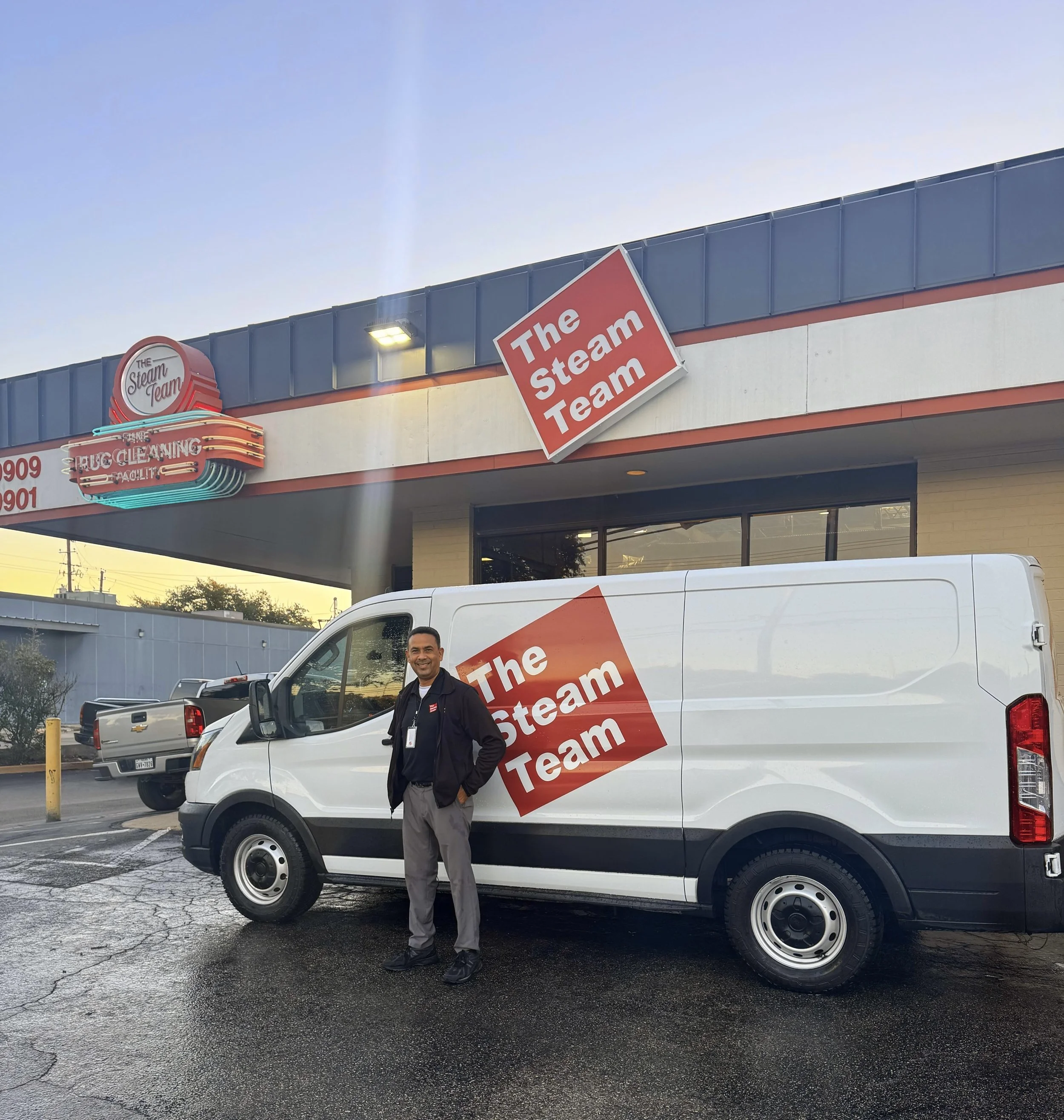
The Steam Team is a local restoration provider serving Austin and surrounding Central Texas communities, offering fire and smoke damage restoration, water damage restoration, mold remediation, and contents and structural cleaning. The firm’s technicians hold IICRC certification, and the company provides 24/7 emergency services to respond when immediate mitigation is critical. This local focus and range of services position the company to coordinate contents restoration, structural cleanup, and follow-up testing in one continuum, which improves communication with insurers and limits project fragmentation. For homeowners in the Austin area seeking a single point of contact for both emergency mitigation and full restoration, The Steam Team provides an established local option.

What Certifications and Experience Does The Steam Team Bring?

The Steam Team’s validated credentials include IICRC-certified technicians and a service portfolio that covers fire and smoke restoration, water damage, mold remediation, and contents cleaning. The company’s local base in Austin and service area across Central Texas enable familiarity with common regional building types and climate-related moisture issues that can interact with smoke damage. These credentials indicate technicians trained to industry standards in cleaning, drying, and restoration protocols, which support accurate scopes of work and credible documentation for insurers. Homeowners benefit from technicians who can both perform remediation and explain the steps and expected outcomes clearly. This combination of certifications and local restoration experience supports timely mitigation and thorough documentation, key elements for successful restoration and claims resolution.

How Does The Steam Team Provide 24/7 Emergency Smoke Damage Services?

The Steam Team offers around-the-clock emergency response to initiate mitigation steps such as containment, HVAC isolation, and preliminary soot stabilization immediately after a fire event. Rapid response focuses on life-safety checks, stopping ongoing contamination spread, and protecting undamaged areas through containment and triage. Homeowners can expect initial documentation and a recommended next-step plan to protect health and property while waiting for full restoration work. For urgent needs, The Steam Team makes scheduling and onsite assessment a priority and can provide quotes and estimates to support insurance claims and prompt restoration planning.

Homeowners seeking immediate assistance are encouraged to request a quote or schedule an emergency assessment to begin mitigation and documentation without delay.

How Can You Prevent Long-Term Smoke Damage After a Fire?

Preventing long-term smoke damage begins with immediate actions that limit the spread and fixation of soot and VOCs: ventilate safely when advised, avoid active wiping that smears residues, preserve damaged contents for inventory, and request a professional assessment quickly. Early containment and HVAC shutdown or isolation minimize the redistribution of soot through ventilation systems. Following remediation, ongoing maintenance such as periodic HVAC filter replacement, airing after treatments, and careful monitoring of hidden areas reduces the chance of lingering odors or mold that can follow water-based mitigation. These prevention steps protect health and preserve property value.

A consistent follow-up plan and retention of restoration records support long-term habitability and resale transparency.

What Are the Health Risks of Untreated Smoke Residue?

Untreated smoke residue can cause respiratory irritation, exacerbate asthma and other chronic conditions, and produce ongoing exposure to VOCs that may affect vulnerable populations like children and the elderly. Particulate matter and chemical residues can inflame airways, reduce indoor air quality, and prolong symptoms after the initial fire, especially when residues re-emit VOCs over time. Addressing residues early through professional cleaning and air quality testing reduces these risks and provides documentation that the environment is safe for reoccupation. Homeowners with vulnerable occupants should prioritize professional assessment before returning to regular occupancy.

Air quality testing and targeted remediation are effective strategies to verify that post-fire living spaces meet health and safety expectations.

How Does Professional Restoration Ensure Long-Term Odor and Damage Removal?

Professional restoration ensures durable outcomes by combining source removal, appropriate molecular-level deodorization, and clearance testing to confirm removal of particulates and VOCs. Verification methods include particulate counting, surface wipe testing, and documented odor reduction through repeated inspections; technicians also provide guidance on follow-up timelines and recommended maintenance. Many restoration providers retain records of treatments and test results, which homeowners can keep for insurance and resale purposes. This documented, measured approach reduces the likelihood of returning odors or hidden damage and provides homeowners peace of mind backed by objective verification.

Maintaining restoration records and following recommended post-treatment care helps preserve results and supports future property transactions or insurance needs.

Immediate prevention checklist to reduce long-term smoke damage:

  1. Ventilate safely: Open windows only if advised and weather/ safety permit.

  2. Limit activity in affected areas: Avoid disturbing soot to prevent spreading contamination.

  3. Preserve contents for inventory: Photograph and list damaged items before moving them.

  4. Isolate HVAC: Shut off or isolate HVAC systems until inspected to prevent redistribution.

Common restoration steps homeowners should expect:

  1. Assessment and documentation: Professional inspection with photographed evidence and scope-of-work preparation.

  2. Containment and HVAC control: Prevent cross-contamination while protecting unaffected areas.

  3. Soot removal and deodorization: Mechanical and molecular treatments tailored to smoke type and materials.

  4. Contents restoration and verification: Pack-out, cleaning, and clearance testing to confirm air and surface quality.

Homeowner documentation checklist for insurance claims:

  1. Photographs and video: Capture all affected areas and items with timestamps.

  2. Itemized inventory: List damaged contents with approximate age and purchase information if available.

  3. Mitigation receipts: Keep any receipts for temporary fixes or emergency services performed.

  4. Professional scopes and estimates: Request written scopes of work and itemized proposals for insurer review.

Smoke Treatment Technique

Characteristic

Typical Use / Limitation

Source removal

Mechanical cleaning, HEPA vacuuming, and material removal

Essential first step; limits the need for heavy deodorization

Molecular deodorization

Thermal fogging, hydroxyl, ozone as appropriate

Selected after source removal; method depends on smoke chemistry

Contents restoration

Ultrasonic, dry-cleaning, specialized pack-out

Can restore many items; high-value contents may merit professional restoration

Verification testing

Air sampling, surface wipes, odor checks

Confirms remediation success and supports insurance documentation

This final EAV-style table reinforces that remediation is a systems process removing sources, neutralizing odors, restoring contents, and verifying results are all necessary to prevent recurrence.

Frequently Asked Questions

What should I do immediately after a fire to minimize smoke damage?

Immediately after a fire, prioritize safety by ensuring the area is secure and that there are no ongoing hazards. Ventilate the space if advised, but avoid disturbing soot, as this can spread contamination. Preserve damaged items for inventory by photographing and listing them before moving anything. Additionally, shut off or isolate HVAC systems to prevent the redistribution of smoke particles. Quick action can significantly reduce long-term damage and improve restoration outcomes.

How can I tell if I need professional help for smoke damage?

If you notice persistent odors, visible soot, or if the smoke damage appears extensive, it’s time to call in professionals. DIY methods often fail to address hidden residues and can lead to further complications, such as health risks from airborne particulates. If you have difficulty identifying the smoke type or if the damage affects multiple surfaces, professional assessment is crucial. Experts can provide a thorough evaluation and effective remediation strategies tailored to your situation.

What are the long-term health risks associated with untreated smoke damage?

Untreated smoke damage can lead to serious long-term health issues, including respiratory problems, chronic irritation, and exacerbation of conditions like asthma. The particulate matter and volatile organic compounds (VOCs) released from smoke can linger in the air and on surfaces, affecting indoor air quality. Vulnerable populations, such as children and the elderly, are particularly at risk. Addressing smoke residues promptly through professional cleaning can mitigate these health risks and ensure a safe living environment.

How can I prepare for an insurance claim after smoke damage?

To prepare for an insurance claim, start by documenting the damage thoroughly. Take photographs and videos of affected areas and create an itemized inventory of damaged items, including their approximate age and value. Keep records of any temporary repairs or mitigation steps taken. Contact your insurance provider promptly to report the damage and request an adjuster visit. Having detailed documentation will facilitate a smoother claims process and improve the likelihood of a favorable outcome.

What types of professional techniques are used in smoke damage restoration?

Professional smoke damage restoration employs various techniques tailored to the type of smoke and materials affected. Common methods include HEPA vacuuming to remove fine particulates, thermal fogging to neutralize odors, and hydroxyl generators to safely eliminate VOCs. Additionally, specialized cleaning methods like dry ice blasting and ultrasonic cleaning are used for different surfaces and contents. Each technique is selected based on the specific challenges presented by the smoke type and the materials involved, ensuring effective remediation.

How can I prevent smoke damage from becoming a recurring issue?

To prevent smoke damage from recurring, ensure thorough remediation is completed after a fire, including professional cleaning and deodorization. Regular maintenance, such as changing HVAC filters and monitoring for hidden residues, is essential. After restoration, maintain documentation of the work done and follow recommended care guidelines. Additionally, consider implementing smoke detectors and fire safety measures to prevent future incidents. A proactive approach can help safeguard your property and health in the long run.

What should I expect during the professional smoke damage restoration process?

During the professional smoke damage restoration process, you can expect a systematic approach that includes assessment, containment, and cleaning. Technicians will first evaluate the extent of the damage and document their findings. They will then contain the affected areas to prevent further contamination and begin the cleaning process, which may involve specialized techniques for soot and odor removal. Finally, they will conduct verification testing to ensure that the air quality and surfaces meet safety standards before completing the restoration.

Conclusion
Understanding the complexities of smoke damage and the limitations of traditional cleanup methods empowers homeowners to make informed decisions about restoration. Professional smoke damage restoration not only ensures thorough removal of residues and odors but also safeguards health and property value in the long term. By prioritizing expert assessment and tailored remediation techniques, you can effectively mitigate the risks associated with smoke damage. For immediate assistance and to explore our comprehensive restoration services, contact us today.

Effective Home Smoke Damage Cleanup Solutions You Can Trust

Expert Smoke Damage Restoration

Smoke damage combines visible soot, invisible odor molecules, and chemical residues that degrade materials and harm indoor air quality, so prompt, informed cleanup preserves health and property. This guide explains how different types of smoke behave, why tailored cleaning methods matter, and which interventions remove soot and neutralize odors effectively for homeowners. You will learn to identify dry, wet, protein, and fuel-oil smoke, apply safe DIY odor-reduction steps, and recognize when advanced professional treatments like thermal fogging, ozone, or hydroxyl treatments are necessary. The article also outlines soot removal techniques for walls, ceilings, carpets, and contents, lays out an end-to-end restoration workflow assessment through verification, and provides transparent cost ranges and insurance guidance for smoke incidents. Throughout, actionable checklists, comparison tables, and restoration process steps help you decide whether to manage cleanup yourself or engage certified professionals. By combining practical DIY measures with clarity about professional scopes, this resource is designed to help homeowners restore livability and value after smoke exposure.

What Are the Different Types of Smoke Damage and Their Effects?


Smoke damage types differ by fuel, combustion temperature, and chemical composition, and those differences determine how deeply residues penetrate materials and how difficult cleanup will be. Dry smoke results from high-temperature fires and leaves fine, powdery soot that is easier to remove from non-porous surfaces, while wet smoke from smoldering fires produces sticky residues that bond to surfaces and stain more severely. Protein smoke, often from overheated food, can leave clear, pungent films that corrode finishes and require specialized cleaning, whereas fuel oil or petroleum-based smoke deposits oily, malodorous residues that chemically alter fabrics and finishes. Understanding these mechanisms helps homeowners pick appropriate cleaning sequences and decide when to call professionals with equipment for deep content and HVAC decontamination, which follows from recognizing visible and olfactory clues that point to each smoke type.

How Does Dry, Wet, Protein, and Fuel Oil Smoke Damage Differ?


Dry smoke forms tiny soot particles that settle as a fine, powdery film on surfaces; its removal typically relies on dry sponging and HEPA vacuuming before wet cleaning to avoid smearing. Wet smoke arises from slow, low-oxygen burning and coats surfaces with a tacky, brown residue that often needs specialized chemical cleaners and sometimes light abrasive action to lift stains. Protein smoke creates thin, chemically reactive films that cause persistent odors and can yellow paints and plastics; deodorization plus careful surface cleaning are usually required. Fuel oil and hydrocarbon-based smoke deposit oily, strongly odorous residue that soaks into porous materials and often requires content pack-out, solvent-based cleaning, and professional deodorization techniques.


Research into the behavior of smoke-contaminated electronics highlights the challenges posed by chloride contamination, particularly from burning materials containing polyvinylchloride.

Cleaning and Reliability of Smoke-Contaminated Electronics


1. This work deals with problems that arise when modern surface-mounted electronics are to be reconditioned after smoke contamination. In a fire, hydrogen chloride, which is formed when polyvinylchloride is present, is deposited on various materials. Electronic equipment is especially sensitive since malfunction may occur after a longer or shorter time of operation due to the chloride contamination.


2. Earlier work has shown that through-hole electronics can be reconditioned, with good results, after deposition of up to 100 Β΅g chloride/cm2in the surrounding area. The lower limit when cleaning is needed is often specified to 10 Β΅g chloride/cm2.


3. In this work, therefore, surface-mounted electronics have been exposed to smoke containing hydrogen chloride, which has contaminated the test boards with 45 to 75 Β΅g chloride/cm2. Three different methods for cleaning smoke-contaminated electronics were investigated: manual, automatic spray, and ultrasonic. Each method was able to clean to a contamination level lower than 1.5 Β΅g sodium chloride equivalents/cm2. The automatic spray method could not remove all contaminants beneath the components. All three methods were capable of improving the surface insulation resistance to a satisfactory level.


4. Conformal coating can, to a large extent, protect the electronics against corrosive smoke. However, decontamination of boards conformally coated with acrylic coatings may be complicated since smoke products are partly absorbed into the conformal coating. The large difference between chloride contamination in a fire and during the manufacture of electronic equipment is the nature of deposition. Experiments have shown that the hydrogen chloride reacts with lead in the solder to form lead chloride. During manufacture, chloride salts are deposited all over the test board.


5. Migration between conductors of different potential has not occurred. This is due to the fact that chloride is localized on the conductors as lead chloride. G


Cleaning and reliability of smoke-contaminated electronics, 1993


What Are the Health Risks and Structural Impacts of Smoke and Soot?


Soot and smoke carry fine particulate matter and volatile compounds that irritate eyes, throat, and lungs and can exacerbate asthma and other respiratory conditions in the short term. Long-term exposure to embedded residues can degrade indoor air quality and contribute to chronic irritation, and some smoke-derived chemicals accelerate corrosion of metals and the breakdown of finishes and painted surfaces. Structurally, soot can penetrate insulation, HVAC ductwork, porous drywall, and textiles, creating hidden sources of odor and recontamination if not fully addressed. Recognizing these health and material risks motivates rapid assessment, containment, and selection of appropriate cleanup methods to protect occupants and prevent progressive material damage.

How Can You Remove Smoke Smell from Your House Effectively?


Effective smoke-odor removal couples source control, filtration, and targeted chemical or physical deodorization to neutralize odor molecules rather than merely masking them. Immediate source control involves removing burned items and heavily contaminated porous materials, followed by aggressive ventilation and HEPA air filtration to reduce airborne particulates and odor carriers. Professional options such as ozone treatment, thermal fogging, and hydroxyl generators attack odor molecules through oxidation or encapsulation, while HEPA filtration and HVAC cleaning prevent redistribution; choosing among these depends on odor severity, smoke type, and occupancy considerations. The next subsections explain practical DIY steps and a decision checklist for when to escalate to professional odor neutralization.

What DIY Methods Work for Smoke Odor Removal?


Homeowners can reduce smoke odor initially by increasing ventilation, using HEPA-filtered fans if available, and removing or laundering washable textiles to reduce odor reservoirs. Absorbent materials like baking soda, activated charcoal, and odor-absorbing gels can trap some odor molecules from the air and surfaces, but they often only mask or slow odors when residues remain embedded. For painted walls and hard surfaces, a staged clean dry wiping, HEPA vacuuming, then a gentle detergent or trisodium phosphate (TSP) rinse can remove surface soot and some odors, but porous materials usually retain smell. If odors persist after thorough DIY cleaning and HVAC attention, professional deodorization methods are usually required to fully neutralize embedded compounds.


Common at-home odor reduction steps include:

  1. Open windows and run fans with HEPA filtration to exchange and filter indoor air.

  2. Remove or launder curtains, bedding, and soft textiles to eliminate primary odor reservoirs.

  3. Place activated charcoal or baking soda in bowls around affected rooms to absorb ambient odors.

  4. Clean hard surfaces with dry sponges, then appropriate detergent to remove soot films.


Using these DIY steps can reduce immediate odor and improve air quality, but persistent, pervasive smells often point to deep penetration that requires professional treatment.


Intro to deodorization methods table: The following table compares common professional deodorization approaches so homeowners can weigh effectiveness and safety before engaging suppliers.

Treatment

Characteristic

Typical Consideration

Ozone treatment

Strong oxidizer that neutralizes some odor molecules

Effective for certain odors but requires vacating the space during treatment

Thermal fogging

Encapsulates and chemically neutralizes odor molecules in place

Good for large, furnished areas; requires professional equipment

Hydroxyl generators

Produce hydroxyl radicals to break down odor compounds safely around people

Safer for occupied spaces, but may be slower for heavy contamination

HEPA air filtration

Physically removes particulates and odor carriers from air

Essential for particulate reduction; does not chemically neutralize odors


This comparison shows that pairing filtration with a chemical or oxidative deodorization often yields the best long-term results, and safety/occupancy constraints guide method selection.

When Should You Choose Professional Smoke Odor Neutralization?


You should escalate to professionals when odor persists after thorough DIY cleaning, when HVAC systems or ductwork are contaminated, or when occupants experience health symptoms linked to smoke residues. Professionals bring specialized equipment hydroxyl generators, thermal foggers, ozone units, and industrial HEPA air scrubbers, plus protocols for containment and clearance testing that reduce the risk of recontamination. Consider professional help when odors are widespread, when sensitive populations occupy the home, or when the smoke source involves petroleum or protein residues that chemically bond to materials. A professional assessment also documents conditions and scope for insurance purposes, and homeowners can request quotes or schedule remediation services to restore safe indoor air and material surfaces.


For trusted local support, The Steam Team provides emergency response, certified technicians, and professional deodorization services, and can prepare estimates or schedule an on-site assessment to determine which neutralization methods are appropriate and safe for each home.

What Are the Best Techniques for Soot Removal from Walls and Surfaces?


Soot removal follows a staged process: dry removal to prevent smearing, HEPA vacuuming to capture particulates, and then controlled wet cleaning or chemical treatment tailored to surface type and soot composition. The immediate mechanism is to separate loose soot from substrates before introducing moisture, because wetting powders or certain residues can drive staining deeper into materials. For painted drywall and ceilings, professionals often test small areas to select cleaners and avoid finish damage, whereas masonry and glass tolerate stronger alkaline cleaners or mechanical action. Porous materials such as unsealed wood, insulation, and some textiles usually require pack-out and specialized content restoration or replacement to fully remove embedded soot.

How Do Professionals Clean Smoke Residue from Walls, Ceilings, and Furniture?


Professionals begin with containment and air management to prevent cross-contamination, using negative pressure and HEPA filtration to control airborne particulates during cleaning. They perform surface tests to identify smoke type and select appropriate cleaning agents, dry sponges for light powdery soot, solvent-based cleaners for oily residues, and alkaline detergents for heavy staining while protecting finishes and adjacent materials. Personal protective equipment, structured cleaning sequences, and documented cleaning logs ensure safety and repeatability, and technicians often follow with sealants or repainting as needed after residues are removed. Proper sequencing testing, dry cleaning, vacuuming, wet cleaning, and verification reduces the risk of residues causing recurring odors or staining.


Intro to cleaning-tool comparison: The following table highlights common tools and their best use cases to guide decisions about DIY versus professional engagement.

Tool/Method

Best Use Case

Benefit

Dry cleaning sponge (soot sponge)

Light, powdery soot on painted surfaces

Removes surface soot without smearing

HEPA vacuuming

All stages before wet cleaning, plus porous materials

Captures fine particulates and prevents re-aerosolization

TSP or alkaline cleaners

Heavy soot staining on washable surfaces

Breaks down oily residues for rinsing

Solvent-based cleaners

Oily fuel or hydrocarbon soot

Dissolves oily deposits where water alone fails


This table clarifies that matching the tool to the soot type is critical: improper selection increases the chance of staining or lingering odor and may necessitate professional restoration.

How Is Smoke Damage Removed from Carpets, Upholstery, and Contents?


Soft goods and personal contents demand assessment to determine salvageability, then cleaning protocols like hot-water extraction, solvent cleaning, or immersion cleaning for hard-to-reach residues. Carpets contaminated by oily smoke or heavy soot may require professional deep extraction and deodorization or, if deeply impregnated, removal and replacement to eliminate odor sources. Upholstery and textiles often respond to specialized detergents, ozone-safe pack-out cleaning, or professional laundering; fragile or sentimental items may need contents restoration specialists who use controlled environments for cleaning and odor neutralization. A careful contents triage assessing material, value, and contamination depth guides whether restoration or replacement is the prudent choice to restore habitability and indoor air quality.

What Is the Complete Smoke Damage Restoration Process for Homes?


A complete restoration process moves logically through assessment, containment/mitigation, cleaning and repair, and final deodorization and verification to restore safety and habitability. The mechanism is structured triage: identify hazards and contamination pathways, stabilize the property to prevent further damage, remove or restore affected materials and contents, and then validate air and surface quality before reoccupation. This workflow prevents common failures such as recontamination via HVAC systems or incomplete deodorization of porous materials. The next subsections lay out assessment and safety protocols, followed by the cleaning, drying, and verification steps that professionals use to return a home to pre-loss conditions.

How Is Initial Damage Assessment and Safety Conducted?


Initial assessment defines hazards, structural compromise, energized systems, and chemical residues and establishes a documented scope for remediation and insurance claims through photos and inventories. Professionals evaluate HVAC contamination, material porosity, presence of water from firefighting, and locations of heavy soot deposits to prioritize mitigation and contents salvage. Safety measures include grounding electrical hazards, securing unstable structures, and isolating contaminated zones with physical barriers and negative pressure to protect occupants and prevent spread. Thorough documentation during assessment not only guides remediation but also provides the necessary records homeowners need when working with insurers or requesting detailed estimates.


Key assessment and safety tasks include:

  1. Document visible damage and take photos for insurance and scope definition.

  2. Identify and isolate areas with electrical or structural hazards.

  3. Inspect HVAC systems and plan for duct cleaning or containment if contaminated.

  4. Prioritize water extraction if firefighting introduces moisture to prevent mold.


These initial steps reduce secondary damage and inform the restoration plan that follows.

What Are the Steps for Structural Cleaning, Water Damage Mitigation, and Final Deodorization?


After assessment, teams execute water extraction and drying protocols when firefighting water is present, using dehumidifiers and air movers to prevent microbial growth and structural swelling. Structural cleaning proceeds with staged soot removal, dry cleaning, and HEPA vacuuming before wet cleaning and then targeted repairs such as repainting, trim replacement, and HVAC restoration to remove hidden contamination. Final deodorization pairs filtration with targeted oxidative or encapsulation treatments and clearance testing to ensure odor molecules have been neutralized and air quality meets re-occupancy standards. Verification often includes visual inspections, air sampling when appropriate, and a final walkthrough with homeowners to confirm restoration of livability and function.


For homeowners who prefer professional handling, The Steam Team applies these end-to-end steps with documented assessments and can provide on-site estimates and scheduling to coordinate mitigation, cleaning, and verification efficiently.

How Much Does Fire and Smoke Damage Cleanup Cost, and Does Insurance Cover It?


Smoke cleanup costs vary widely depending on the affected area, the smoke type, materials involved, and whether water damage from firefighting is present; transparent ranges help homeowners plan and communicate with insurers. Typical factors influencing price include square footage affected, porous versus non-porous materials, contents restoration needs, complexity of HVAC cleaning, and required deodorization technology. While exact pricing depends on inspection, conservative estimates range from modest per-room cleanups for light smoke to several thousand dollars for severe, whole-home contamination with content pack-out and specialized deodorization. The next subsections present typical cost ranges by room and severity and practical steps for documenting claims and coordinating with insurers.

What Are Typical Smoke Damage Restoration Costs by Room and Severity?


Below is a generalized cost table showing typical ranges for common scenarios to guide homeowners; individual estimates will vary based on local conditions and contamination severity.

Service Component

Typical Cost Range

Notes

Single room light smoke cleanup

$200 - $800

Surface cleaning, HEPA vacuuming, mild deodorization

Multiple rooms or moderate contamination

$800 - $3,000

Includes content cleaning and targeted deodorization

Severe whole-home contamination

$3,000 - $15,000+

Pack-out, contents restoration, HVAC cleaning, advanced deodorization

Contents restoration (per household sets)

$500 - $5,000+

Varies with volume and required specialty treatments


These ranges illustrate that costs scale with contamination depth and the need for specialized deodorization or content restoration, and they emphasize the importance of early assessment to reduce secondary expenses.

How Can Homeowners Navigate Insurance Claims for Smoke Damage?


Homeowners should document the scene thoroughly with photos, keep an itemized inventory of damaged contents, and request written estimates from restoration providers to support claims and negotiations. Prompt mitigation, such as temporary tarping, water extraction, or emergency ventilation, helps protect claims and may be required by insurers to show reasonable steps were taken to limit damage. Restoration providers often assist by preparing scope documents, contractor estimates, and technical explanations of needed work to the adjuster, which can smooth approval for advanced treatments like HVAC cleaning or thermal fogging. If homeowners need a professional estimate or assistance coordinating with an adjuster, The Steam Team offers assessment and documentation services to support claim submission and scheduling of necessary restoration work.

Why Choose The Steam Team for Emergency Smoke Damage Cleanup in Austin, Texas?


The Steam Team is a locally focused cleaning and restoration provider serving Austin and Central Texas with emergency response and certified technicians, offering homeowners documented processes and service reliability during smoke incidents. The company highlights 24/7 emergency response to reduce secondary damage after a fire event and employs IICRC-certified technicians who follow industry best practices for assessment, containment, and restoration. Local expertise supports rapid coordination with insurers and content restoration workflows tailored to Central Texas building types and materials, while customer satisfaction guarantees and a recognized business rating provide additional reassurance when selecting a provider. The next subsections explain the operational benefits of 24/7 response and certification and describe how quality controls and customer processes support successful outcomes.

What Makes The Steam Team’s 24/7 Emergency Response and IICRC Certification Unique?


Round-the-clock availability shortens the time between loss and mitigation, reducing risks such as microbial growth after firefighting water and limiting soot penetration into contents and HVAC systems. IICRC certification indicates that technicians have completed industry-standard training in restoration protocols, which relates directly to consistent assessment, cleaning sequences, and safety practices that protect both occupants and property. Operating with a local focus in Austin and Central Texas helps the team prioritize rapid mobilization and an understanding of regional construction practices and materials. Homeowners benefit from a combination of immediate response capability and technicians trained to apply accepted industry standards during complex smoke remediation.

How Does The Steam Team Ensure Customer Satisfaction and Quality Restoration?


Quality restoration begins with documented assessments, clear scopes of work, and checkpoints for verification throughout mitigation, cleaning, and final deodorization phases to ensure work aligns with homeowner expectations. The Steam Team emphasizes thorough documentation and communication during the restoration journey and provides follow-up verification to confirm odor removal and material cleanliness before project closeout. Local case-based practices and a focus on customer satisfaction guarantee that teams prioritize both technical completeness and homeowner peace of mind. Homeowners seeking an assessment, quote, or scheduling for smoke damage cleanup are encouraged to request a professional evaluation to determine the scope and methods appropriate for their home.

  1. Request an on-site assessment to establish the scope and estimate.

  2. Prioritize immediate mitigation to limit secondary damage.

  3. Choose providers with documented processes and certified technicians for complex restorations.

Frequently Asked Questions

What are the signs that smoke damage has occurred in my home?


Signs of smoke damage can include visible soot on surfaces, a persistent burnt odor, discoloration of walls or ceilings, and respiratory issues among occupants. You may also notice a film on windows or furniture, and HVAC systems may carry smoke particles throughout the home. If you suspect smoke damage, it's crucial to conduct a thorough inspection, as some effects may not be immediately visible. Early detection can help mitigate further damage and improve indoor air quality.

Can I clean smoke damage myself, or should I hire a professional?


While some minor smoke damage can be addressed with DIY methods, such as cleaning surfaces and improving ventilation, significant damage often requires professional intervention. Professionals have specialized equipment and expertise to effectively remove soot and odors, especially from porous materials and HVAC systems. If the damage is extensive or if health symptoms arise, it's advisable to consult with certified restoration services to ensure thorough cleanup and restoration.

How long does the smoke damage restoration process typically take?


The duration of smoke damage restoration varies based on the extent of the damage, the size of the affected area, and the methods used. Minor smoke damage may take a few days to clean and restore, while severe cases can extend to weeks, especially if extensive content pack-out or structural repairs are needed. A professional assessment can provide a more accurate timeline based on the specific conditions of your home.

What should I do immediately after a fire to minimize smoke damage?


Immediately after a fire, prioritize safety by ensuring the area is secure and that there are no ongoing hazards, such as electrical issues or structural instability. Remove any burnt items and ventilate the space by opening windows and using fans. Avoid using household cleaning products on soot, as they can worsen the situation. Contact a professional restoration service as soon as possible to assess the damage and begin the cleanup process effectively.

Are there any health risks associated with smoke damage?


Yes, smoke damage poses several health risks, particularly respiratory issues. Fine particulate matter and volatile organic compounds in smoke can irritate the eyes, throat, and lungs, exacerbating conditions like asthma. Long-term exposure to smoke residues can lead to chronic health problems and degrade indoor air quality. It's essential to address smoke damage promptly to protect the health of all occupants, especially vulnerable populations such as children and the elderly.

What types of insurance typically cover smoke damage restoration?


Smoke damage restoration is often covered under homeowners' insurance policies, particularly if the damage results from a fire. Coverage may include cleanup costs, repairs, and content restoration. However, the specifics can vary by policy, so it's crucial to review your coverage details and consult with your insurance provider. Documenting the damage with photos and keeping an inventory of affected items can help streamline the claims process.

How can I prevent smoke damage in the future?


Preventing smoke damage involves several proactive measures. Install smoke detectors and ensure they are functioning correctly. Practice fire safety by keeping flammable materials away from heat sources and having a fire extinguisher accessible. Regularly maintain heating appliances and electrical systems to reduce fire risks. Additionally, consider creating an emergency plan that includes evacuation routes and communication strategies in case of a fire, which can help minimize damage and ensure safety.

Conclusion


Effective smoke damage cleanup is essential for restoring health and safety in your home, as it addresses both visible soot and harmful odors. By understanding the types of smoke and employing the right cleaning techniques, homeowners can significantly improve indoor air quality and prevent long-term damage. For those facing extensive smoke damage, professional restoration services offer the expertise and equipment necessary for thorough remediation. Contact The Steam Team today to schedule an assessment and take the first step towards a smoke-free home.