Smoke Damage Repair: Cost-Effective Solutions for Your Home
/Smoke Damage Repair: What Homeowners Must Know
Smoke damage combines visible soot, chemical residues, and invisible airborne particles that continue to degrade materials and indoor air quality long after flames are out. This article explains what smoke damage is, how smoke and soot behave at a material and molecular level, and why that behavior makes conventional cleanup methods insufficient for many fires. Homeowners will learn the different types of smoke, how smoke penetrates structures and contents, the advanced professional techniques used to remove residues and neutralize odors, and realistic cost and insurance considerations. We also compare traditional DIY approaches with professional restoration, provide practical documentation checklists for claims, and outline prevention and verification steps to ensure long-term habitability. The goal is to help readers decide when a do-it-yourself approach is appropriate and when to call trained professionals, while offering actionable next steps for documenting damage and minimizing health and property risks.
What Is Smoke Damage and How Does It Affect Your Property?
Smoke damage is the combination of particulate soot, chemical residues, and odor-causing compounds deposited by combustion that adheres to and penetrates building materials and contents. At the mechanistic level, combustion produces tiny soot particles and volatile organic compounds (VOCs) that travel on thermal currents and get driven into porous surfaces by capillary action and heat, which results in hidden contamination. The immediate value of understanding this mechanism is practical: visible wiping often only removes surface soot, while embedded residues continue to off-gas and corrode materials, lowering indoor air quality and resale value. Recognizing smoke damage as both a surface and subsurface problem reframes cleanup from cosmetic wiping to remediation and verification.
Different smoke sources produce distinct residues and cleanup challenges; the following table summarizes common smoke types and homeowner implications. The table clarifies why identifying the fire type matters before selecting cleaning and deodorization methods.
Smoke Type
Appearance & Penetration
Odor & Cleaning Difficulty
Wet smoke (slow, smoldering)
Thick, sticky soot that adheres and soaks into textiles and drywall
Strong, lingering odor; difficult to remove without deep cleaning
Dry smoke (fast flame)
Fine, powdery soot that coats surfaces unevenly
Less oily, but leaves pervasive staining and odor if not isolated
Protein-based smoke (kitchen grease)
Clear film that browns and bonds to surfaces
Powerful, persistent odor; often needs chemical solutions and thermal methods
Synthetic material smoke
Dark, tacky residues with complex VOCs
High odor persistence and corrosive residues; requires specialized neutralization
This EAV-style comparison highlights that smoke is not a single uniform substance; treatment selection must match smoke chemistry and affected materials. Understanding these categories helps homeowners and technicians prioritize containment, contents triage, and appropriate deodorization.
What Are the Different Types of Smoke and Their Impact?
Smoke types vary by fuel and combustion temperature, and that variance determines residue chemistry, how deeply residues penetrate, and the most effective cleanup methods. Wet smoke forms from low-temperature, smoldering fires and produces sticky residues that soak into porous materials, often requiring detergent-based or abrasive cleaning and sometimes replacement. Dry smoke, from hotter flames, leaves fine soot that can be airborne and coat surfaces unevenly; HEPA vacuuming and careful dry-cleaning methods often work best. Protein fires (commonly kitchen grease) and burning synthetics release odorous, chemically complex residues that may require thermal or molecular-level deodorization.
Homeowners should first identify the likely smoke type by recall of the fire cause and visible residue characteristics before attempting remediation. This helps determine whether limited surface cleaning is safe or if contents should be removed for professional restoration.
How Does Smoke Penetrate Materials and Cause Hidden Damage?
Smoke penetration occurs via heat-driven air currents, capillary action into porous substrates, and deposition in HVAC systems that redistribute contamination. Soot particles, often submicron in size, embed in drywall paper, insulation, textiles, and the fibers of upholstered furniture; VOCs can sorb into plastics and finishes, slowly re-emitting odors. Hidden contamination examples include insulation behind walls, residue lodged in ceiling cavities, and soot inside ductwork that will continue to circulate air pollutants. Because much of this contamination is invisible, professional assessment using air sampling and surface testing is often required to detect and scope remediation.
Detecting hidden damage early reduces the risk of long-term odor persistence, corrosion of metal components, and health issues from ongoing exposure to particulates and VOCs. That detection is why containment and diagnostic testing are key early steps in a restoration process.
Why Are Traditional Cleanup Methods Often Ineffective for Smoke Damage?
Traditional cleanup methods often aim at visible soot removal or odor masking, which fails because smoke damage is both chemical and particulate and frequently extends below surface layers. Conventional approaches like surface wiping with household cleaners, airing out rooms, or repainting typically smear oily residues, trap VOCs under fresh coatings, or leave embedded particles in place. The mechanism that causes these failures is simple: many household cleaners lack the surfactants, solvents, or mechanical action needed to lift bonded soot and neutralize odor-causing molecules, and masking agents only temporarily hide smells without removing sources.
Homeowners who rely on traditional cleanup often face recurring odors, corrosion of metal fixtures, and irreversible staining that lowers property value. Recognizing these limitations helps prioritize professional assessment when contamination is widespread or odors persist after basic cleaning.
What Common DIY Smoke Cleanup Techniques Are Used?
Homeowners commonly attempt immediate actions such as ventilation, wiping surfaces with soap and water, using vinegar or baking soda for odor control, and repainting to cover stains. These techniques can reduce superficial dust and make a space appear cleaner, and short-term ventilation helps reduce airborne particulates, but they rarely address residues lodged in porous materials or HVAC systems. Repainting over soot without proper cleaning can trap residues and worsen odor release later, while household odor sprays merely mask VOCs rather than neutralize them. Safety precautions, such as wearing respiratory protection when cleaning and ensuring electrical systems are safe, should guide any DIY efforts.
When DIY measures fail to remove odors or when visible staining and HVAC contamination exist, homeowners should stop and seek a professional evaluation to avoid causing additional damage.
What Are the Risks and Limitations of Traditional Smoke Cleanup?
The chief risks of traditional cleanup are smearing soot into finishes, incomplete odor removal, hidden contamination left unaddressed, and health exposures from disturbed particulates and VOCs. Improper use of household cleaners can chemically react with residues, causing further staining or release of bound VOCs; abrasive cleaning can damage finishes and cost more to repair. Long-term health risks include ongoing respiratory irritation and worsened air quality for vulnerable occupants. By recognizing these risks, homeowners can make informed decisions about when to escalate to specialized restoration.
Stopping DIY activity when odor persists or when there is extensive soot on multiple surfaces helps prevent compounding damage and improves the likelihood of successful restoration.
How Does Professional Smoke Damage Restoration Work?
Professional smoke damage restoration follows a stepwise process: safety assessment and documentation, containment and HVAC isolation, soot and residue removal, targeted deodorization, and contents and structural restoration with clearance testing. The mechanism behind professional success is combining mechanical removal (HEPA vacuums, dry cleaning sponges) with molecular-level neutralization (thermal fogging, hydroxyl therapy) and specialized techniques for contents like ultrasonic cleaning. The specific benefit is a verifiable return to safe air quality and minimized long-term material degradation, rather than a temporary cosmetic improvement.
Below is an EAV-style comparison of common professional techniques that explains mechanisms, best use-cases, and limitations to guide method selection.
Technique
Mechanism
Best-for / Limitations
Dry ice blasting
Abrasive cold pellet impact removes adhered soot
Best for masonry, metal, and some structural surfaces; not for delicate finishes or painted surfaces
Thermal fogging
Heated deodorant molecules penetrate and react with odor compounds
Effective for protein and synthetic smoke odors; must be used with ventilation control
Hydroxyl generators
Produce reactive hydroxyl radicals to neutralize VOCs safely in occupied spaces
Good for odor neutralization without ozone; slower than ozone in high-load scenarios
Ozone treatment
Oxidizes odor molecules to neutralize them
Powerful but restricted in occupied spaces due to safety concerns; requires evacuation during treatment
HEPA air scrubbing
Removes airborne particulates and improves air quality during remediation
Essential for containment and during demolition or cleaning activities
This table clarifies why professionals match technique to smoke chemistry and contents: each method has trade-offs in safety, speed, and material compatibility. Proper sequencing assessment, containment, particulate removal, and then deodorization ensures the best outcome.
What Advanced Smoke and Soot Removal Techniques Do Experts Use?
Experts use a combination of mechanical, chemical, and physical methods to remove soot and restore contents: HEPA vacuuming to capture fine particulates, chemical sponges to lift oily residues from painted surfaces, dry ice blasting for heavy deposits on durable substrates, and ultrasonic and controlled cleaning for textiles and electronics. Each method targets a different part of the problem: particle removal, residue dissolution, or mechanical abrasion, so technicians assemble a tailored toolkit for each job. Safety measures such as PPE and HVAC isolation are integral to protect occupants and technicians during remediation. The careful selection of techniques reduces the risk of secondary damage and improves the longevity of remediation results.
Understanding these options helps homeowners appreciate why a one-size-fits-all DIY approach is often inadequate and why professionals use diagnostic testing to choose methods.
How Is Smoke Odor Effectively Neutralized by Professionals?
Professionals neutralize odor by combining source removal with molecular-level treatments: thermal fogging distributes reactive deodorants that bind odor molecules, hydroxyl generators create reactive species that convert VOCs to harmless compounds, and controlled ozone can oxidize stubborn odor molecules when spaces are unoccupied. Verification typically involves subjective sniff tests plus objective air quality measurements to confirm VOC and particulate reductions. Professionals select methods based on smoke type (for example, protein vs synthetic), material sensitivity, and occupant safety, balancing speed with long-term effectiveness. Homeowners should expect technicians to explain chosen methods and safety precautions before treatment begins.
After deodorization, follow-up testing and contents verification confirm that odor and residue removal meet agreed standards.
What Are the Cost Factors and Insurance Considerations for Smoke Damage Repair?
Costs for smoke damage repair vary based on severity, the square footage affected, the extent of contents restoration, and the specialized equipment or chemicals required. Severity drives labor and materials; surface-only issues are less expensive than jobs requiring demolition, HVAC cleaning, or contents restoration. Emergency response and 24/7 mitigation services can add surcharges but often reduce total loss by preventing progressive damage. Insurance coverage depends on policy details, and thorough documentation photos, inventories, and professional scopes of work, greatly improves claim outcomes.
The table below summarizes cost drivers and practical notes to help homeowners estimate likely ranges and prepare documentation for adjusters.
Cost Driver
Attribute
Typical Range / Notes
Severity of fire
Surface soot vs structural/insulation contamination
Small surface jobs: lower range; structural: higher range, requires on-site estimate
Area affected
Square footage to be cleaned and contained
Larger areas increase containment and labor costs
Contents restoration
Number and type of items requiring ultrasonic, dry-clean, or pack-out
Content work can rival structural costs depending on volume
Specialized equipment
Dry ice, hydroxyl, thermal fogging, HEPA scrubbing
Equipment fees and rental add to tthe otal for advanced methods
Emergency response
24/7 initial mitigation
May include immediate board-up, water extraction, and triage fees
This compact view helps homeowners understand why site-specific estimates are required and what line items to expect on proposals and insurance scopes.
How Much Does Professional Smoke Damage Restoration Typically Cost?
Ballpark ranges depend on local market conditions and job complexity; minor surface cleaning and deodorization for a small room may be relatively modest, while full structural remediation with contents pack-out and HVAC cleaning is substantially higher. Because hidden damage and material types drive variation, contractors typically provide on-site inspections and itemized estimates. Emergency or after-hours response and expedited services may incur additional fees, though prompt mitigation often lowers total restoration costs by preventing progressive damage. Homeowners should obtain written estimates that separate containment, cleaning, deodorization, and contents restoration so insurers can assess coverage clearly.
An on-site inspection is the only reliable way to produce an accurate cost estimate; expect professionals to document the scope of work and provide photographic evidence for claims.
How Can Homeowners Navigate Insurance Claims for Smoke Damage?
Navigating insurance claims starts with immediate documentation: photograph and video damaged areas, prepare an inventory of affected items, and keep dated notes of mitigation steps taken. Contact your insurer promptly, share documentation, and request an adjuster visit; if an immediate in-person adjuster is delayed, have a professional document the scope and provide interim reports. Professionals can assist by producing detailed scopes of work and itemized estimates that align with industry standards, which insurers frequently accept as part of the claim file. Maintain copies of all communications and receipts to streamline the claims process and appeal if necessary.
If homeowners want assistance, The Steam Team offers support preparing documentation, scopes of work, and estimates to help communicate with insurers and schedule remediation; homeowners can request a quote or an on-site consultation for claims assistance.
Why Choose The Steam Team for Smoke Damage Repair in Austin, Texas?
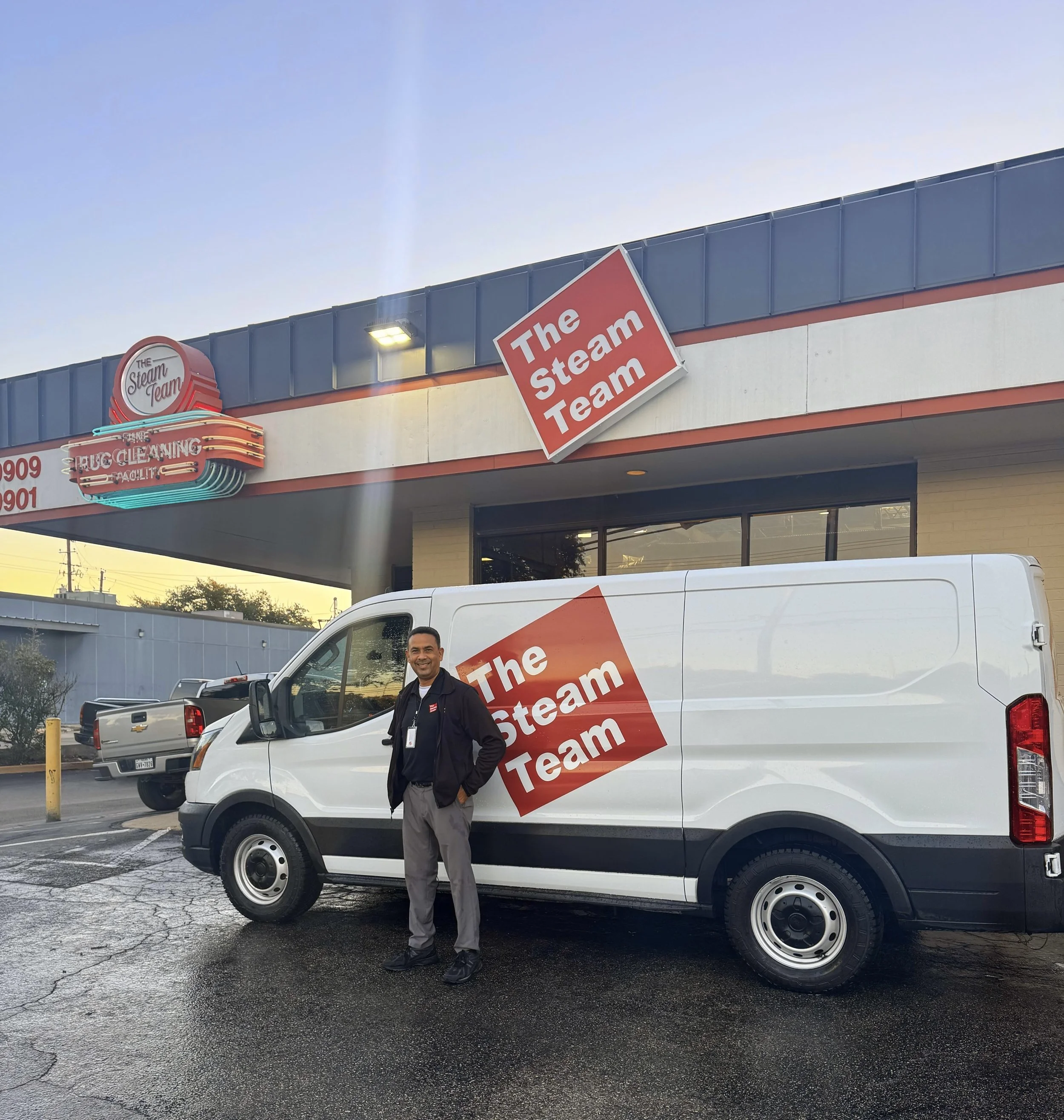
The Steam Team is a local restoration provider serving Austin and surrounding Central Texas communities, offering fire and smoke damage restoration, water damage restoration, mold remediation, and contents and structural cleaning. The firm’s technicians hold IICRC certification, and the company provides 24/7 emergency services to respond when immediate mitigation is critical. This local focus and range of services position the company to coordinate contents restoration, structural cleanup, and follow-up testing in one continuum, which improves communication with insurers and limits project fragmentation. For homeowners in the Austin area seeking a single point of contact for both emergency mitigation and full restoration, The Steam Team provides an established local option.
What Certifications and Experience Does The Steam Team Bring?
The Steam Team’s validated credentials include IICRC-certified technicians and a service portfolio that covers fire and smoke restoration, water damage, mold remediation, and contents cleaning. The company’s local base in Austin and service area across Central Texas enable familiarity with common regional building types and climate-related moisture issues that can interact with smoke damage. These credentials indicate technicians trained to industry standards in cleaning, drying, and restoration protocols, which support accurate scopes of work and credible documentation for insurers. Homeowners benefit from technicians who can both perform remediation and explain the steps and expected outcomes clearly. This combination of certifications and local restoration experience supports timely mitigation and thorough documentation, key elements for successful restoration and claims resolution.
How Does The Steam Team Provide 24/7 Emergency Smoke Damage Services?
The Steam Team offers around-the-clock emergency response to initiate mitigation steps such as containment, HVAC isolation, and preliminary soot stabilization immediately after a fire event. Rapid response focuses on life-safety checks, stopping ongoing contamination spread, and protecting undamaged areas through containment and triage. Homeowners can expect initial documentation and a recommended next-step plan to protect health and property while waiting for full restoration work. For urgent needs, The Steam Team makes scheduling and onsite assessment a priority and can provide quotes and estimates to support insurance claims and prompt restoration planning.
Homeowners seeking immediate assistance are encouraged to request a quote or schedule an emergency assessment to begin mitigation and documentation without delay.
How Can You Prevent Long-Term Smoke Damage After a Fire?
Preventing long-term smoke damage begins with immediate actions that limit the spread and fixation of soot and VOCs: ventilate safely when advised, avoid active wiping that smears residues, preserve damaged contents for inventory, and request a professional assessment quickly. Early containment and HVAC shutdown or isolation minimize the redistribution of soot through ventilation systems. Following remediation, ongoing maintenance such as periodic HVAC filter replacement, airing after treatments, and careful monitoring of hidden areas reduces the chance of lingering odors or mold that can follow water-based mitigation. These prevention steps protect health and preserve property value.
A consistent follow-up plan and retention of restoration records support long-term habitability and resale transparency.
What Are the Health Risks of Untreated Smoke Residue?
Untreated smoke residue can cause respiratory irritation, exacerbate asthma and other chronic conditions, and produce ongoing exposure to VOCs that may affect vulnerable populations like children and the elderly. Particulate matter and chemical residues can inflame airways, reduce indoor air quality, and prolong symptoms after the initial fire, especially when residues re-emit VOCs over time. Addressing residues early through professional cleaning and air quality testing reduces these risks and provides documentation that the environment is safe for reoccupation. Homeowners with vulnerable occupants should prioritize professional assessment before returning to regular occupancy.
Air quality testing and targeted remediation are effective strategies to verify that post-fire living spaces meet health and safety expectations.
How Does Professional Restoration Ensure Long-Term Odor and Damage Removal?
Professional restoration ensures durable outcomes by combining source removal, appropriate molecular-level deodorization, and clearance testing to confirm removal of particulates and VOCs. Verification methods include particulate counting, surface wipe testing, and documented odor reduction through repeated inspections; technicians also provide guidance on follow-up timelines and recommended maintenance. Many restoration providers retain records of treatments and test results, which homeowners can keep for insurance and resale purposes. This documented, measured approach reduces the likelihood of returning odors or hidden damage and provides homeowners peace of mind backed by objective verification.
Maintaining restoration records and following recommended post-treatment care helps preserve results and supports future property transactions or insurance needs.
Immediate prevention checklist to reduce long-term smoke damage:
Ventilate safely: Open windows only if advised and weather/ safety permit.
Limit activity in affected areas: Avoid disturbing soot to prevent spreading contamination.
Preserve contents for inventory: Photograph and list damaged items before moving them.
Isolate HVAC: Shut off or isolate HVAC systems until inspected to prevent redistribution.
Common restoration steps homeowners should expect:
Assessment and documentation: Professional inspection with photographed evidence and scope-of-work preparation.
Containment and HVAC control: Prevent cross-contamination while protecting unaffected areas.
Soot removal and deodorization: Mechanical and molecular treatments tailored to smoke type and materials.
Contents restoration and verification: Pack-out, cleaning, and clearance testing to confirm air and surface quality.
Homeowner documentation checklist for insurance claims:
Photographs and video: Capture all affected areas and items with timestamps.
Itemized inventory: List damaged contents with approximate age and purchase information if available.
Mitigation receipts: Keep any receipts for temporary fixes or emergency services performed.
Professional scopes and estimates: Request written scopes of work and itemized proposals for insurer review.
Smoke Treatment Technique
Characteristic
Typical Use / Limitation
Source removal
Mechanical cleaning, HEPA vacuuming, and material removal
Essential first step; limits the need for heavy deodorization
Molecular deodorization
Thermal fogging, hydroxyl, ozone as appropriate
Selected after source removal; method depends on smoke chemistry
Contents restoration
Ultrasonic, dry-cleaning, specialized pack-out
Can restore many items; high-value contents may merit professional restoration
Verification testing
Air sampling, surface wipes, odor checks
Confirms remediation success and supports insurance documentation
This final EAV-style table reinforces that remediation is a systems process removing sources, neutralizing odors, restoring contents, and verifying results are all necessary to prevent recurrence.
Frequently Asked Questions
What should I do immediately after a fire to minimize smoke damage?
Immediately after a fire, prioritize safety by ensuring the area is secure and that there are no ongoing hazards. Ventilate the space if advised, but avoid disturbing soot, as this can spread contamination. Preserve damaged items for inventory by photographing and listing them before moving anything. Additionally, shut off or isolate HVAC systems to prevent the redistribution of smoke particles. Quick action can significantly reduce long-term damage and improve restoration outcomes.
How can I tell if I need professional help for smoke damage?
If you notice persistent odors, visible soot, or if the smoke damage appears extensive, it’s time to call in professionals. DIY methods often fail to address hidden residues and can lead to further complications, such as health risks from airborne particulates. If you have difficulty identifying the smoke type or if the damage affects multiple surfaces, professional assessment is crucial. Experts can provide a thorough evaluation and effective remediation strategies tailored to your situation.
What are the long-term health risks associated with untreated smoke damage?
Untreated smoke damage can lead to serious long-term health issues, including respiratory problems, chronic irritation, and exacerbation of conditions like asthma. The particulate matter and volatile organic compounds (VOCs) released from smoke can linger in the air and on surfaces, affecting indoor air quality. Vulnerable populations, such as children and the elderly, are particularly at risk. Addressing smoke residues promptly through professional cleaning can mitigate these health risks and ensure a safe living environment.
How can I prepare for an insurance claim after smoke damage?
To prepare for an insurance claim, start by documenting the damage thoroughly. Take photographs and videos of affected areas and create an itemized inventory of damaged items, including their approximate age and value. Keep records of any temporary repairs or mitigation steps taken. Contact your insurance provider promptly to report the damage and request an adjuster visit. Having detailed documentation will facilitate a smoother claims process and improve the likelihood of a favorable outcome.
What types of professional techniques are used in smoke damage restoration?
Professional smoke damage restoration employs various techniques tailored to the type of smoke and materials affected. Common methods include HEPA vacuuming to remove fine particulates, thermal fogging to neutralize odors, and hydroxyl generators to safely eliminate VOCs. Additionally, specialized cleaning methods like dry ice blasting and ultrasonic cleaning are used for different surfaces and contents. Each technique is selected based on the specific challenges presented by the smoke type and the materials involved, ensuring effective remediation.
How can I prevent smoke damage from becoming a recurring issue?
To prevent smoke damage from recurring, ensure thorough remediation is completed after a fire, including professional cleaning and deodorization. Regular maintenance, such as changing HVAC filters and monitoring for hidden residues, is essential. After restoration, maintain documentation of the work done and follow recommended care guidelines. Additionally, consider implementing smoke detectors and fire safety measures to prevent future incidents. A proactive approach can help safeguard your property and health in the long run.
What should I expect during the professional smoke damage restoration process?
During the professional smoke damage restoration process, you can expect a systematic approach that includes assessment, containment, and cleaning. Technicians will first evaluate the extent of the damage and document their findings. They will then contain the affected areas to prevent further contamination and begin the cleaning process, which may involve specialized techniques for soot and odor removal. Finally, they will conduct verification testing to ensure that the air quality and surfaces meet safety standards before completing the restoration.
