Upholstery Cleaning Benefits for Austin Homes
/Upholstery Cleaning Benefits for Austin Homes: Why Professional Cleaning Matters

Upholstery cleaning is the professional removal of dirt, allergens, and contaminants from fabric and leather furniture using industry-standard methods and equipment tailored to each material. In Austin homes, where seasonal pollen, dust, and humidity interact with indoor fabrics, professional cleaning improves health, restores appearance, and prolongs furniture life. This guide explains how professional upholstery cleaning works, why it matters for indoor air quality and allergy management, and which specialized methods suit common Austin materials. Homeowners will learn the health benefits, the mechanisms that reduce wear and fading, aesthetic restoration tactics for stains and odors, and choices between leather, velvet, and microfiber care. The article also outlines a clear seven-step professional process, pricing factors and bundle options, and practical preparation and maintenance tips to maximize results. Read on for evidence-based guidance, checklists, comparison tables, and specific recommendations that help Austin residents decide when to book professional cleaning.
What Are the Key Health Benefits of Upholstery Cleaning for Austin Homes?

Professional upholstery cleaning removes trapped particulates and allergens that settle deep in furniture fibers, reducing the reservoir of material that can re-suspend into indoor air and aggravate respiratory conditions. The mechanism typically combines agitation, targeted detergents, and extraction to pull dust mites, pet dander, pollen, and microbial matter from upholstery, delivering measurable improvements in perceived indoor air quality and allergen load. Immediate benefits include fewer visible dust accumulations, reduced odor sources, and a lower potential for mold growth in damp fabrics, while longer-term benefits include decreased chronic exposure for sensitive occupants. Understanding which contaminants are removed clarifies why cleaning is an essential part of home health maintenance in Austin’s climate, and sets up the next discussion on how extraction methods improve indoor air quality.
This section lists the primary health benefits readers can expect from professional upholstery cleaning in Austin.
Improved indoor air quality: Deep extraction reduces suspended particulates that circulate when furniture is used.
Allergen reduction: Targeted cleaning removes dust mites, pollen, and pet dander that trigger symptoms.
Mold and bacteria mitigation: Moisture control and antimicrobial treatments lower microbial growth risk.
Odor source removal: Eliminating organic residues reduces persistent pet and food odors.
These health benefits reduce exposure pathways for sensitive individuals and encourage routine maintenance to sustain air quality improvements.
How Does Upholstery Cleaning Improve Indoor Air Quality in Austin?
Upholstery cleaning improves indoor air quality by extracting soils and biological matter that otherwise accumulate and become airborne when cushions are sat on or disturbed. Hot water extraction or low-moisture encapsulation both physically remove particles from fibers instead of simply masking them, reducing the load of respirable particulates and allergenic proteins. In Austin, seasonal pollen and high dust loads increase the baseline particulate input, so periodic professional extraction prevents furniture from acting as a sustained source of airborne irritants. Regular cleaning combined with vacuuming and HVAC filtration produces the strongest indoor air quality outcomes, which is why many homeowners schedule cleaning before high-pollen seasons.
Which Allergens and Pollutants Does Professional Upholstery Cleaning Remove?
Professional upholstery cleaning targets a predictable set of allergens and pollutants commonly found in Austin homes, including dust mite debris, pet dander, pollen, mold spores, and trapped particulate matter. Each contaminant has distinct health implications: dust mites and pet dander are potent triggers for allergic rhinitis and asthma, pollen contributes to seasonal flare-ups, and mold spores and bacteria can worsen respiratory irritation and produce odors. Removing these materials from upholstery reduces direct contact and airborne re-suspension, lowering the allergen burden residents inhale during everyday activity. The following table maps common contaminants to their sources and expected outcomes after professional cleaning.
Intro: The table below maps key upholstery contaminants to their sources and the typical improvement homeowners can expect after professional treatment.
| Contaminant | Typical Source | Expected Outcome After Cleaning |
|---|---|---|
| Dust mites | Embedded skin cells and humidity in fabrics | Noticeable reduction in allergen reservoir and fewer dust mite-related symptoms |
| Pet dander | Skin flakes and saliva from pets | Lower airborne dander and reduced trigger exposure for pet-allergic occupants |
| Pollen | Outdoor pollen tracked indoors on clothing and air | Reduced surface pollen loads leading to milder seasonal allergy effects |
| Mold spores | Spills, humidity, or inadequate drying | Lower mold spore counts and decreased musty odors when remediation is performed |
This mapping clarifies how targeted cleaning reduces major allergen pathways and improves day-to-day respiratory comfort.
Can Upholstery Cleaning Reduce Respiratory Issues and Allergies?
Professional cleaning can reduce the frequency and intensity of allergy symptoms by lowering the concentration of triggers in the home environment, though it is one component of a broader management strategy. Evidence-based practice suggests that repeated reduction of environmental allergens, paired with other interventions such as improved ventilation and HEPA filtration, offers the best outcomes for symptomatic relief. Homeowners should expect symptom improvement over weeks to months and should combine upholstery cleaning with regular vacuuming and mattress care to maintain gains. For acute or severe respiratory conditions, cleaning is supportive rather than curative, and clinicians’ recommendations should guide integrated home interventions.
Why Is Mold and Bacteria Removal Important for Austin Homes?
Mold and bacteria can colonize damp upholstery and padding where spills, high indoor humidity, or slow drying provide a habitat for microbial growth, creating odors and potential health risks. Professional technicians assess moisture sources, apply appropriate antimicrobial treatments, and use extraction and rapid-dry techniques to prevent re-growth, which reduces both odor and the risk of repeated colonization. Because Austin’s humidity can vary seasonally and microclimates exist within homes, proactive cleaning after spills and prompt drying are essential to prevent mold establishment. Addressing mold at the upholstery level reduces contamination transfer to other soft surfaces and contributes to a healthier indoor environment.
How Does Professional Upholstery Cleaning Extend the Life of Your Furniture?
Professional upholstery cleaning extends furniture life by removing abrasive soils and oils that break down fibers and pigments, thereby reducing mechanical wear and slowing color fading. The cleaning process extracts grit and grime that abrades fibers with each use, preserves upholstery finishes, and restores fabric suppleness that otherwise leads to premature replacement. Regular professional maintenance preserves warranty conditions for some fabrics and keeps cushioning functioning by removing residues that compress padding over time. Understanding the mechanisms of wear helps homeowners plan cleaning intervals and protective treatments that prolong usable life and maintain resale or aesthetic value.
This section outlines practical ways cleaning preserves fabrics and color while introducing fabric protection options in the following paragraphs.
Removes abrasive particles: Extraction prevents microscopic sand and grit from cutting fibers.
Eliminates oils and residues: Removing body oils and soils prevents fiber weakening and discoloration.
Maintains cushioning: Cleaner padding rebounds more effectively, supporting comfort and structure.
These mechanisms together reduce the frequency of replacement and preserve the original look and functionality of upholstery over time.
What Causes Fabric Wear and Tear Without Regular Cleaning?
Fabric wears from a combination of mechanical abrasion, chemical degradation, and UV-driven color changes; embedded grit and oils accelerate these processes. Grit acts like sandpaper between fibers, while body oils and food residues alter fiber chemistry and attract more dirt, increasing friction during use. Sunlight and heat can weaken dyes and fibers leading to fading and brittleness, particularly on windowside furniture. Reducing these contributors through targeted cleaning minimizes cumulative damage and keeps textiles structurally and visually intact.
How Does Cleaning Preserve Fabric Integrity and Color Vibrancy?
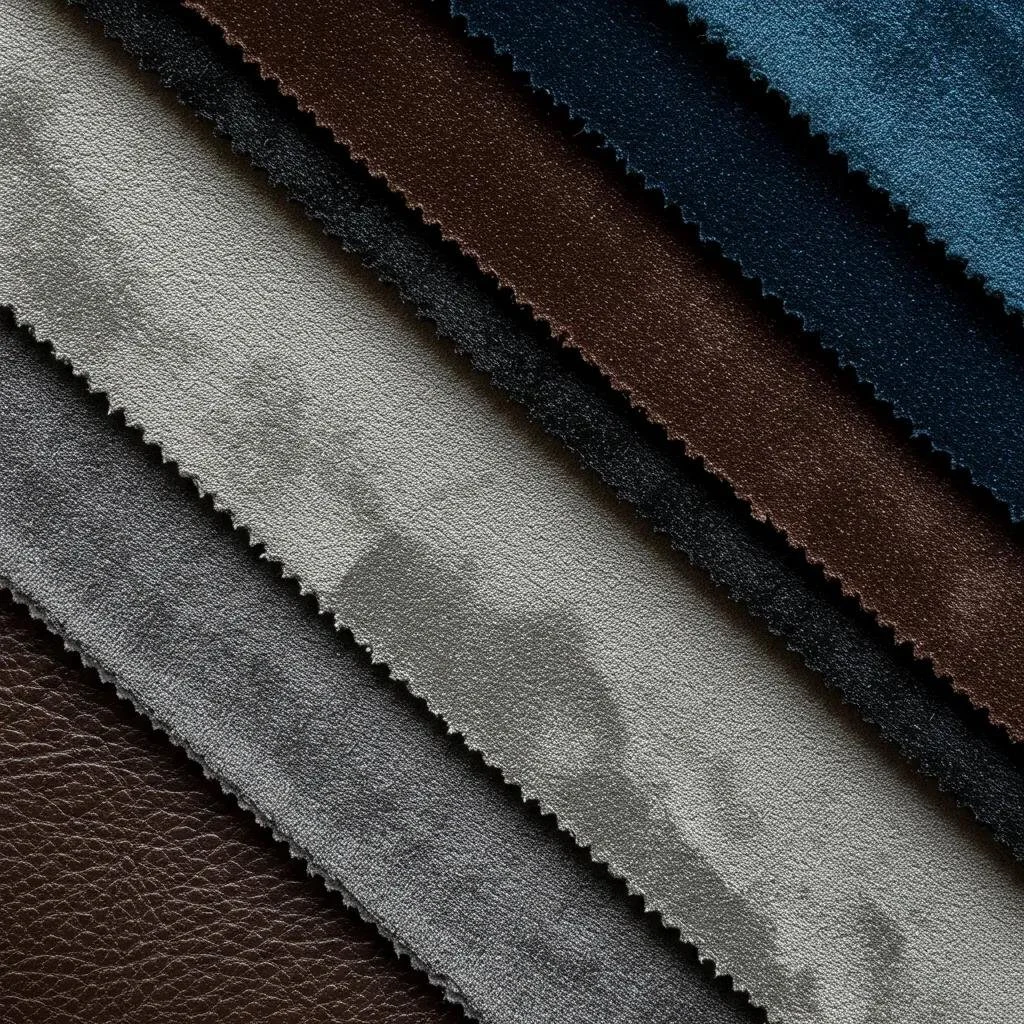
Cleaning preserves fabric integrity by removing soils that catalyze fiber breakdown and by using pH-appropriate detergents that do not strip dyes or weaken yarns. Properly matched cleaning solutions and gentle agitation restore fiber loft and remove film that dulls pigments, returning closer-to-original color saturation. Post-cleaning drying techniques and conditioning treatments help fibers realign and recover texture, which also supports long-term dye retention. Regular maintenance combined with seasonal protective measures prevents the progressive dulling and brittleness that lead to costly replacement.
What Role Does Fabric Protection Play in Preventing Future Damage?
Fabric protection treatments create a repellant barrier that reduces liquid penetration and slows soiling rates, making future cleanings easier and less frequent. These protectants work by altering surface tension so spills bead rather than soak in, allowing quick blotting and less chance for staining and microbial growth. Protections have trade-offs: they reduce immediate staining risk but require reapplication over time and may alter hand-feel slightly depending on product. Homeowners should apply protection after a professional cleaning for best adhesion and consult technicians for fabric-appropriate recommendations.
How Often Should Austin Homeowners Schedule Upholstery Cleaning?
Baseline scheduling of professional upholstery cleaning every 12 to 18 months suits many households, while those with pets, young children, or allergy sufferers should plan cleanings more frequently. High-use pieces like couches and sectionals may benefit from annual cleaning, while decorative chairs can follow the 12–18 month rhythm; peak pollen or post-construction seasons are additional triggers to schedule earlier interventions. Establishing a routine based on usage patterns preserves both indoor air quality and fabric longevity, and periodic inspections between appointments help identify stain or moisture incidents that require prompt attention.
How Can Upholstery Cleaning Restore and Enhance Your Austin Home’s Appearance?
Professional cleaning restores a home’s visual appeal by reducing visible stains, brightening muted colors, and re-fluffing fibers to recover tactile texture. The process often produces dramatic before-and-after differences for common organic stains and trapped soils that dull fabrics over time. Beyond individual stains, systematic cleaning refreshes the entire seating area so rooms look cleaner and more inviting, which contributes to homeowner satisfaction and can enhance perceived property value. Visual restoration also interacts with odor removal methods described later, since removing residue that causes discoloration frequently reduces lingering smells as well.
Below is a list of the most common stain and odor categories that professionals address and how restoration typically performs.
Food and beverage stains: Often treatable with targeted pre-treatment and extraction.
Pet stains and odors: Require enzymatic cleaners and deep extraction for best odor removal.
Grease and oil: May need specialized solvents and careful suspension prior to extraction.
Smoke and mildew odors: Can be reduced with deep cleaning and adjunct odor-neutralizing treatments.
A realistic expectation is that many stains improve significantly, though older or chemically altered marks sometimes only lighten; when restoration limits exist, technicians will document feasible outcomes.
What Are the Most Common Stains and Odors Removed by Professionals?
Common stain types include food and drink spills, grease, ink, and pet accidents, while frequent odors stem from pets, smoke, and mildew. Professionals assess stain age and chemistry then apply compatible pre-treatments and extraction methods to emulsify and remove residues safely. Success rates are higher when stains are treated promptly, and heat-set or chemical changes in older stains can limit full removal. Proper staging and transparent technician assessment help homeowners understand likely visual outcomes and any necessary follow-up steps.
How Does Upholstery Cleaning Revitalize Fabric Texture and Color?
Cleaning revives texture by removing soil films that cement fibers together, allowing pile and nap to reorient and appear fuller and softer. Color restoration occurs when dirt and oxidized residues that mute dyes are extracted, revealing brighter hues beneath. Re-fluffing after drying and gentle grooming restore tactile appeal, and fabric-specific conditioners can rejuvenate softness for leather or treated textiles. Visual inspection after cleaning gives clear cues—brighter color, less matting, and improved hand-feel—that indicate successful revitalization.
Can Professional Cleaning Eliminate Lingering Pet and Smoke Odors?
Many pet and smoke odors can be significantly reduced or eliminated when the odor source is contained in upholstery and padding and appropriate enzymatic or neutralizing agents are used in deep extraction. Some odors that have penetrated structural materials or HVAC systems may require coordinated remediation beyond upholstery cleaning. Professional approaches prioritize source removal, deep extraction, and validated re-assessment; when odors are limited to fabric surfaces, outcomes are generally strong, and technicians will recommend additional steps if necessary.
What Visual Improvements Can Austin Homeowners Expect After Cleaning?
After professional cleaning, homeowners can expect brighter colors, reduced visible staining, less matting of fabric, and reduced surface residue that makes furniture look newer. Results vary by fabric type, stain age, and previous treatments, and technicians will provide realistic before-and-after expectations during inspection. In many cases, the restored appearance extends the interval before replacement becomes necessary, offering cost savings and improved interior aesthetics that complement broader home-cleaning efforts.
What Specialized Upholstery Cleaning Services Are Available for Austin Furniture?
Specialized services address the unique demands of leather, delicate fabrics, pet-damaged pieces, and eco-conscious households by matching method to material and problem. Each service uses specific chemistries and techniques—for example, pH-balanced leather cleaners and conditioners for hide, low-moisture or dry-clean approaches for delicate velvets, enzymatic treatments for pet soils, and biodegradable detergents for environmentally sensitive clients. Selecting the right specialty service minimizes damage risk and maximizes restoration, and the following comparative table helps homeowners match fabric types to recommended methods and safety notes.
Intro: The table below compares common fabric types to recommended cleaning methods and practical safety notes for Austin homeowners.
| Fabric Type | Recommended Method | Drying Time / Safety Notes |
|---|---|---|
| Leather | pH-balanced cleaner and conditioner | Moderate; avoid over-wetting and use conditioners after cleaning |
| Velvet | Low-moisture or dry-cleaning techniques | Shorter drying; avoid agitation that crushes pile |
| Microfiber | Hot water extraction with gentle agitation | Faster drying; test for colorfastness first |
| Natural fibers (linen, cotton) | Controlled extraction with fabric-appropriate detergents | Moderate; may require slower drying to prevent shrinkage |
This comparison clarifies which approaches are safest per material and highlights why professional testing and method selection matter.
How Is Leather Upholstery Cleaned and Maintained Professionally?
Leather cleaning uses pH-balanced cleaners and gentle mechanical action to remove surface soils without stripping natural oils, followed by conditioning treatments that restore suppleness and help protect against cracking. Technicians avoid excessive water and use specialized products formulated for leather finishes to prevent discoloration and drying. Regular conditioning after cleaning preserves protective finishes and extends the useful life of leather furnishings. Homeowners should schedule leather service based on use and sun exposure to maintain appearance and resilience.
What Are the Best Methods for Cleaning Delicate Fabrics Like Velvet and Microfiber?
Delicate fabrics like velvet often require low-moisture or dry-clean techniques to prevent pile crushing and minimize watermarks, while microfiber typically tolerates gentle hot water extraction after colorfastness testing. Professionals assess fabric construction and perform spot tests to determine safe methods, balancing cleaning efficacy with preservation of texture. Improper DIY cleaning risks permanent damage, so delicate pieces usually benefit from trained technicians and method-specific tools. Choosing the correct method preserves tactile qualities and prevents irreversible harm.
How Are Pet Stains and Damage Addressed in Upholstery Cleaning?
Pet stains and damage are handled using enzymatic pre-treatments to break down organic residues, followed by targeted extraction to remove both visible stains and odor-causing matter deep in padding. Technicians may use odor-neutralizing agents and recommend fabric protection to prevent recurrent soiling, and they can advise on repair or re-stuffing when claws or chewing cause structural damage. Prompt treatment improves success rates, and combining extraction with odor control achieves the best long-term results for pet-owning households.
What Eco-Friendly Cleaning Solutions Does The Steam Team Use in Austin?
The Steam Team offers eco-friendly and family-safe cleaning options that prioritize biodegradable detergents and low-VOC treatments suitable for homes with children and pets. Technicians apply low-impact chemistries balanced with proven extraction techniques to ensure both safety and cleaning efficacy while minimizing environmental footprint. For certain stubborn soils, a measured use of conventional chemistries may be recommended when safety and results demand it; technicians explain trade-offs and select the gentlest effective approach. These eco-friendly choices support healthier indoor environments without sacrificing performance.
What Is The Steam Team’s Upholstery Cleaning Process for Austin Homes?
The Steam Team follows a structured seven-step upholstery cleaning process that begins with detailed inspection and testing and ends with a quality check to ensure results meet expectations. Their technicians are IICRC certified, which guides method selection and on-site safety practices, and the company emphasizes customer satisfaction with a guarantee and Austin-focused service adjustments. The process pairs material-specific chemistries with controlled extraction and drying protocols to address Austin’s climate and common local contaminants. Provide useful information about cleaning and restoration services, build trust, and lead potential clients to request a quote or schedule an appointment.
Below is a clear numbered list describing the seven-step process used for most professional upholstery cleanings.
Inspection: Assess fabric type, staining, and structural issues before any work begins.
Testing: Perform spot tests for colorfastness and fiber response to selected cleaners.
Pre-treatment: Apply targeted cleaners to break down concentrated soils and stains.
Agitation: Use gentle mechanical action to loosen embedded particles without damaging fabric.
Extraction/Cleaning: Remove soils with hot water extraction or low-moisture systems as appropriate.
Finishing: Apply conditioners, protectants, or neutralizers and groom fibers for appearance.
Quality Check: Reinspect work, confirm drying progress, and advise homeowners on care.
What Are the Steps in The Steam Team’s 7-Step Upholstery Cleaning Process?
The Steam Team’s seven-step process begins with a material and stain inspection to set safe cleaning parameters, followed by colorfastness testing to prevent unintended damage. Pre-treatment and controlled agitation loosen dirt while extraction removes soils and residues, after which finishing treatments like conditioners or protectants are applied. The final quality check confirms adhesion of protectants, satisfactory appearance, and adequate drying. This systematic approach aligns with industry best practices and minimizes risk while maximizing restoration outcomes for Austin furniture.
How Do IICRC Certifications Ensure Quality and Safety?
IICRC certification indicates that technicians have completed formalized training on cleaning standards, fiber identification, and safe chemical use, which translates into consistent procedures and reduced risk of fabric damage. Certified technicians follow documented protocols for method selection, moisture control, and post-service drying—factors that protect both property and occupant health. For Austin homeowners, choosing a service with certified staff provides assurance that local climate factors and material-specific requirements are considered. Certification is a practical quality signal rather than an absolute guarantee of outcome, and it pairs well with transparent service guarantees.
Why Is Customer Satisfaction Guaranteed by The Steam Team?
The Steam Team backs its services with a customer satisfaction guarantee that commits to addressing concerns promptly and reworking areas that do not meet agreed-upon standards. Guarantee policies typically involve re-inspection, supplemental treatments, or corrective measures when results fall short, and this process helps protect homeowners’ investments. Clear communication during scheduling and inspection clarifies expectations and scope of work, reducing surprises and ensuring alignment on outcomes. The guarantee builds trust and encourages homeowners to report issues immediately for timely resolution.
How Does The Steam Team Tailor Services to Austin’s Unique Climate and Needs?
Tailoring for Austin includes scheduling cleanings around high-pollen periods, using drying protocols that account for local humidity, and selecting allergen-focused treatments when residents report sensitivities. Technicians consider sun exposure, window placement, and typical Austin soil profiles—like fine dust and pollen—when recommending frequency and protection options. Local experience helps the team recommend bundles or timing that prevent mold risks during humid months and reduce pollen carry-in during spring. These practical adaptations ensure cleaning effectiveness while minimizing downtime and re-soiling.
How Much Does Professional Upholstery Cleaning Cost in Austin?
Upholstery cleaning cost depends on furniture type, fabric material, degree of soiling, and whether additional sanitization or stain remediation is needed, so prices vary across homes. Typical cost drivers include the size and number of pieces, fabric complexity (delicate fabrics require gentler, often more time-consuming methods), pet-related treatments, and travel or service area factors. Bundles combining upholstery with carpet or air-duct services often provide better per-piece value and address multiple indoor contaminants in one visit. Provide useful information about cleaning and restoration services, build trust, and lead potential clients to request a quote or schedule an appointment.
Intro to the pricing comparison: The following table helps homeowners estimate how different furniture types and fabrics typically influence cost ranges in Austin.
| Furniture Type | Material/Attribute | Typical Cost Range (Estimate) |
|---|---|---|
| Standard sofa | Synthetic blend, moderate soil | $100–$250 per piece |
| Oversized sectional | Multiple seats, deep cushions | $250–$600 per unit |
| Accent chair | Velvet or delicate fabric | $60–$160 per piece |
| Leather sofa | Top-grain leather, conditioning | $150–$350 per piece |
What Factors Influence Upholstery Cleaning Prices in Austin?
Several clear factors influence price: furniture size and configuration, fabric type and condition, presence of pet stains or odors, whether protection or antimicrobial treatments are requested, and travel or after-hours scheduling. Heavy soiling, set-in stains, or moisture remediation needs increase labor and materials, while bundled services reduce per-item pricing through efficiency. Technicians will typically perform an inspection and provide a tailored estimate that reflects these variables. Understanding these drivers helps homeowners prioritize investments and choose effective bundles.
List: Typical pricing factors explained briefly.
Piece size and complexity: Larger or modular furniture requires more time and resources.
Fabric sensitivity: Delicate fabrics need gentler, often costlier methods.
Soil and stain level: Heavily soiled pieces require additional pre-treatment and time.
Additional services: Protectants, odor neutralization, and sanitization add to cost.
Summary: By recognizing these factors, homeowners can better evaluate quotes and select value-focused options.
Are There Package Deals or Combined Cleaning Services Available?
Bundling upholstery with carpet cleaning, air duct cleaning, or tile services is often cost-effective because technicians can address multiple indoor contamination pathways in one visit and apply integrated drying strategies. Combined services reduce individual per-item travel and set-up costs and can produce superior indoor air quality outcomes by treating several reservoirs of dust and allergens concurrently. Homeowners with extensive soft furnishings or post-construction dust problems often find bundles deliver better long-term value. Technicians typically present bundle options during inspection and can recommend the most impactful combinations.
How Does The Steam Team Provide Value Compared to Competitors?
The Steam Team emphasizes experienced local service, IICRC-certified technicians, and a customer satisfaction guarantee combined with Austin-tailored cleaning protocols and eco-friendly options, which together provide practical value beyond lowest-cost providers. Their local knowledge guides scheduling and method choices that align with Austin’s pollen and humidity patterns, and certification practices promote consistent, safe cleaning processes. For many homeowners, paying for certified technicians and a satisfaction guarantee yields long-term savings by preserving furniture life and reducing recurrent cleaning frequency.
What Are Common Questions About Upholstery Cleaning Benefits for Austin Homes?
This FAQ-style section answers frequently asked questions concisely to help Austin homeowners make informed decisions about scheduling, safety, and service preparation. Each answer is direct and optimized for quick reference, covering recommended frequencies, product safety around children and pets, the scope of help for water or mold damage, and simple preparation steps to ensure the best possible results from a professional visit. The following Q&A items provide practical guidance before and after booking service.
How Often Should Upholstery Be Professionally Cleaned in Austin?
A practical baseline is every 12–18 months for most households, with annual cleaning recommended for high-use furniture or homes with pets, children, or allergy sufferers. Increased frequency—every 6–12 months—may be appropriate during high-pollen seasons or for pieces that sit near entryways and collect dust. Homeowners should monitor visible soiling and odors as triggers for earlier cleaning, and coordinate service timing with seasonal needs to maximize indoor air quality benefits.
Are Upholstery Cleaning Products Safe for Children and Pets?
Many professional services offer low-VOC, biodegradable detergents and family-safe protocols that minimize exposure risks for children and pets, and technicians can recommend safe re-entry times after treatments. For sensitive households, request eco-friendly options and inquire about drying times and ventilation practices to ensure safety. When stronger chemistries are necessary for severe stains or microbial remediation, technicians will explain trade-offs and post-service precautions to protect vulnerable occupants.
Can Upholstery Cleaning Help with Water Damage or Mold Issues?
Routine upholstery cleaning can address mild moisture-related staining, but extensive water damage or entrenched mold often requires restoration specialists with drying and remediation equipment. If fabric padding is saturated or mold has visibly colonized internal components, escalate to restoration services to prevent structural and health risks. Prompt action—isolating wet items and contacting professionals—reduces the likelihood of irreversible damage and helps determine whether cleaning alone will suffice.
How Do I Prepare My Furniture for Professional Cleaning?
Preparing furniture ensures efficient service: remove fragile items and loose cushions, clear surrounding floors for access, and note specific stains or pet-affected areas for the technician. Manage pets during the appointment and secure valuables to keep the workspace safe and unobstructed. Technicians will handle light moving and lifting but appreciate clear, accessible areas to complete work faster and more thoroughly.
Clear the area: Remove fragile objects and give technicians space to work.
Identify problem spots: Point out stains, odors, or damage during inspection.
Manage pets and children: Keep them away from the work area for safety.
Plan for drying: Ensure good ventilation or alternate seating during drying periods.
Provide useful information about cleaning and restoration services, build trust, and lead potential clients to request a quote or schedule an appointment.
Frequently Asked Questions
What should I look for when choosing a professional upholstery cleaning service in Austin?
When selecting a professional upholstery cleaning service, consider factors such as the company's experience, certifications (like IICRC), and customer reviews. It's essential to inquire about their cleaning methods, especially if you have delicate fabrics or specific concerns like pet stains. Additionally, ask about their eco-friendly options and whether they provide a satisfaction guarantee. A reputable service will also offer a clear pricing structure and be willing to explain their process, ensuring you feel confident in your choice.
How can I maintain my upholstery between professional cleanings?
To maintain your upholstery between professional cleanings, regularly vacuum to remove dust and debris, focusing on crevices and seams where dirt accumulates. Use a soft brush attachment to avoid damaging the fabric. Address spills immediately by blotting with a clean, dry cloth—never rub, as this can spread the stain. Consider using fabric protectants after cleaning to repel stains and dirt. Lastly, rotate cushions and avoid direct sunlight to prevent fading and uneven wear.
Are there any specific cleaning methods for different types of upholstery?
Yes, different types of upholstery require specific cleaning methods to ensure effective cleaning without damage. For instance, leather upholstery benefits from pH-balanced cleaners and conditioning treatments, while delicate fabrics like velvet may require low-moisture or dry-cleaning techniques. Microfiber can typically handle hot water extraction, but colorfastness should be tested first. Understanding the unique needs of each fabric type helps prevent damage and ensures optimal cleaning results.
What should I do if my upholstery has a persistent odor after cleaning?
If your upholstery retains a persistent odor after cleaning, it may indicate that the source of the odor was not fully addressed. Consider re-evaluating the cleaning method used; some odors, especially from pets, may require specialized enzymatic treatments. Additionally, ensure proper ventilation in the area to help dissipate lingering smells. If the issue persists, consult your cleaning service for follow-up treatments or recommendations for odor-neutralizing products that can be safely applied.
Can upholstery cleaning help with stains that have set in over time?
Upholstery cleaning can improve the appearance of set-in stains, but results vary based on the stain's age, type, and the fabric involved. Professional cleaners use specialized pre-treatments and extraction methods to target these stains effectively. However, some older or chemically altered stains may only lighten rather than completely disappear. It's essential to communicate the nature of the stains to your cleaning technician, who can provide realistic expectations and tailored treatment options.
How can I ensure my upholstery dries properly after cleaning?
To ensure your upholstery dries properly after cleaning, maintain good ventilation in the room by opening windows or using fans. Avoid using the furniture until it is completely dry to prevent moisture from being trapped, which can lead to mold growth. If possible, schedule cleaning during a time when the area can remain undisturbed for several hours. Your cleaning technician should also employ effective drying techniques to expedite the process, so be sure to ask about their methods during the service.
What are the benefits of scheduling upholstery cleaning before a major event or gathering?
Scheduling upholstery cleaning before a major event or gathering offers several benefits, including enhanced aesthetics and improved indoor air quality. Clean upholstery creates a welcoming atmosphere, free from stains and odors that could detract from your home’s appearance. Additionally, removing allergens and dust can contribute to a healthier environment for guests, particularly for those with sensitivities. This proactive approach not only boosts your home’s visual appeal but also ensures a more comfortable experience for everyone attending.
Conclusion
Professional upholstery cleaning offers significant benefits for Austin homeowners, including improved indoor air quality, allergen reduction, and enhanced furniture longevity. By investing in these services, you not only restore the aesthetic appeal of your home but also contribute to a healthier living environment. Regular cleaning can prevent costly replacements and maintain the value of your furnishings. Schedule your upholstery cleaning today to experience the transformative effects firsthand.