Eliminate Pet Odors: Discover the Best Pet Odor Eliminators
/Effective Pet Odor Solutions in Austin
Persistent pet odors signal that organic residues urine, dander, oils, and bacteria, have embedded into fabrics, padding, or structural materials, and removing those smells requires targeted science, not masking. This article explains what causes deeply set pet odors, how enzymatic and professional restoration methods eliminate odor at the molecular level, and which surface-specific approaches are most effective for carpets, upholstery, hardwood, and subfloors. You will learn inspection techniques such as blacklight detection, the step-by-step professional workflow used to locate and neutralize uric acid crystals, and practical prevention strategies tailored to Austin’s climate and common flooring choices. Throughout the guide, we highlight when DIY methods work, when they fail, and how professional intervention prevents recurrence, culminating in clear guidance on scheduling services locally in Austin, TX. If you’re researching pet odor removal services in Austin, Texas, or wondering about guaranteed outcomes and certified technicians, this guide maps the decisions you should make and the questions to ask before booking treatment.
What Causes Persistent Pet Odors and How Do They Embed in Your Home?
Persistent pet odors are the result of organic compounds and microbes binding with materials in your home, creating long-lasting volatile compounds that standard cleaning often only masks. Uric acid crystals, ammonia, skin oils, and bacterial VOCs penetrate fibers, padding, and even porous subfloor materials; once they crystallize or integrate with the substrate, surface cleaning alone is ineffective. The chemical and biological interaction between urine salts and bacteria both creates new odorous molecules and protects residues from being dissolved by water-based detergents, which explains why smells return after DIY cleaning. Understanding how odors embed clarifies why detection and enzymatic breakdown are the first steps toward lasting remediation and introduces the next section on surface-specific detection cues and odor types.
Which Common Pet Odors Affect Carpets, Upholstery, and Subfloors?
Different surfaces trap and hold odors in distinct ways, so accurate identification guides treatment choice and outcome expectations. Carpets and padding absorb liquid and trap uric acid crystals in the fiber base and cushioning; upholstery similarly soaks into cushions and backing layers, while hardwood and tile typically hold surface residues unless the urine penetrates joint lines or gaps into subfloor materials. Signs that odors are deep-set include odor persistence after cleaning, multiple repeat accidents in the same zone, and visible or UV-detected staining; blacklight inspection often reveals latent urine deposits that smell tests miss. Detecting the true penetration depth informs whether enzymatic cleaning, hot water extraction, padding replacement, or subfloor remediation is required, which prepares homeowners for potential structural steps discussed next.
How Do Pet Urine, Dander, and Bacteria Contribute to Lingering Smells?
Pet urine introduces uric acid and ammonia salts that, when left to dry, crystallize and become resistant to water-based removal; bacteria feed on organic residues and produce volatile organic compounds (VOCs) that the human nose detects as stale or sour odors. Dander and skin oils add an ongoing layer of organic material that supports bacterial growth and binds to textiles, increasing odor load even between accidents. Moisture common in humid climates reactivates uric crystals and enhances bacterial metabolism, making odors resurface after cleaning if substrates remain contaminated. Recognizing these mechanisms explains why enzymatic breakdown and careful extraction are necessary to remove the substrate that fuels recurrent smells, which leads to how professionals approach the problem.
How Do Professional Pet Odor Removal Services Work to Eliminate Odors?
Professional pet odor removal targets the source with a predictable, documented workflow: identify contamination, apply enzymatic breakdown agents, extract residues and moisture, then deodorize or seal substrates when needed to prevent recurrence. Inspection and detection (including blacklight and olfactory mapping) determine contamination extent, guiding technicians to either surface restoration or structural remediation of padding and subfloor. Enzymatic and microbiological cleaners break down uric acid and organic matter, while hot water extraction and industrial drying equipment remove dissolved residues and prevent bacterial rebound. This stepwise approach reduces the likelihood of masked, returning odors and prepares the property for any further sealing or restorative work required, as detailed in the company-specific process below and in the EAV table that follows.
Professionals typically follow a concise 5-step process that is both diagnostic and corrective:
Inspection and Detection: Locate contamination using blacklight and moisture meters.
Pre-treatment: Apply enzymatic cleaners and dwell to break down uric acid.
Extraction: Use hot water extraction and industrial vacuums to remove residues.
Drying and Dehumidification: Deploy air movers and dehumidifiers to prevent bacterial regrowth.
Deodorize/Seal: Apply neutralizers or encapsulators if structural sealing is necessary.
This numbered sequence clarifies each stage’s goal and timing and leads directly into a practical EAV breakdown of inspection and tools.
Professionals use specialized tools and protocols to ensure each step delivers measurable outcomes:
Process Phase
Tools Used
Expected Outcome
Inspection
Blacklight, moisture meter, olfactory mapping
Accurate contamination map to target treatment
Enzymatic Treatment
Professional-grade enzymatic solutions, controlled dwell time
Breakdown of uric acid crystals and organic residues
Extraction & Drying
Hot water extractors, commercial vacuums, air movers
Removal of dissolved residues and controlled drying
Deodorize/Seal
Odor neutralizers, encapsulators/sealers
Long-term odor suppression and substrate protection
This process table shows how each phase advances remediation from detection to durable results, and it connects directly to why certified training matters for technicians.
What Are the Key Steps in The Steam Team’s Pet Odor Treatment Process?
The Steam Team applies a structured, inspection-driven workflow that mirrors professional best practices while leveraging certified training and a customer satisfaction approach for local Austin clients. Technicians begin with a thorough inspection using blacklight detection and moisture mapping to document contamination, then select a treatment pathway, surface enzymatic cleaning and extraction, or deeper remediation, including padding and subfloor work, based on findings. The next steps include professional enzymatic pre-treatment with calibrated dwell times, hot water extraction, aggressive drying, and targeted deodorization or encapsulation when structural sealing is necessary. This company-level example demonstrates how certified training and an evidence-based workflow reduce the chance of recontamination and prepare customers for realistic timelines and potential structural interventions.
The Steam Team’s local service model emphasizes technician credentials and responsiveness, which helps set realistic expectations for Austin homeowners and businesses.
Why Is IICRC Certification Important for Pet Odor Removal Specialists?
IICRC certification represents formal training in cleaning and restoration standards that directly impact treatment selection, chemical handling, and drying protocols for odor remediation. Certified technicians understand how to measure moisture, control humidity, select the right enzymatic formulations, and avoid practices that simply mask odors or push contamination deeper into substrates. This training reduces error rates and improves long-term outcomes because certified professionals can differentiate when to restore versus when to remove and replace materials like padding or subfloor boards. For homeowners, asking for IICRC or NADCA-trained technicians is a practical proxy for competence and safety, which ties into why choosing a certified provider matters when odors persist.
Certification also links to consumer assurances such as satisfaction guarantees and transparent follow-up actions, which leads naturally to the next H2 on surface-specific solutions.
Which Specialized Solutions Target Different Surfaces and Odor Types?
Different surfaces require tailored interventions because penetration depth, substrate porosity, and material sensitivity determine what treatments succeed. Soft surfaces like carpets and upholstery often need enzymatic breakdown plus controlled moisture extraction, while hardwood and tile typically require surface cleaning with inspection for joint penetration and potential sanding or sealing if the urine has migrated. Concrete and subfloor contamination often need encapsulation or selective removal because uric salts can embed into porous cement and continue to off-gas odors. Matching treatment to surface limits unnecessary replacement and increases the probability of a permanent fix, which is summarized further in the EAV comparison below.
Surface
Typical Penetration Depth
Recommended Professional Treatment
Carpet & Padding
Fiber base for padding
Blacklight detection, enzymatic pre-treatment, hot water extraction, padding inspection, or replacement
Upholstery
Cushion core and backing
Targeted enzymatic application from underside, controlled extraction, and possible panel removal
Hardwood
Surface to joint gaps
Surface cleaning, inspecting gaps, sanding, and sealing if penetration occurred
Subfloor/Concrete
Deep porosity into the substrate
Moisture and salt testing, encapsulation, or selective removal and replacement
This comparison helps homeowners see why a different technical path is chosen for each material and prepares them to discuss options with a service provider.
At the end of surface assessment, homeowners are often asked whether they prefer restoration-first or removal-first strategies; understanding the table above clarifies when each approach applies and naturally transitions to example protocols for common pet scenarios.
How Is Dog Urine Odor Removed from Carpets and Hardwood Floors?
For carpets, the protocol emphasizes locating all affected areas, applying professional enzymatic cleaners with sufficient dwell time, and using hot water extraction to remove dissolved residues and moisture; padding inspection follows to confirm whether a replacement is necessary. If padding or subfloor shows contamination, targeted removal and remediation prevent recurrence by eliminating uric crystals that cannot be dissolved in place. For hardwood, treatment begins with surface cleaning and moisture assessment; if urine has penetrated joints or gaps, sanding and sealing or localized board replacement may be required to stop continued off-gassing. This surface-specific approach reduces repeat problems and helps homeowners decide when to pursue restoration versus replacement.
Knowing these distinctions helps identify the right initial steps and prepares homeowners for potential structural work if odors persist after extraction.
What Are the Best Methods for Cat Pee Smell Removal from Upholstery and Walls?
Cat urine often contains higher concentrations of uric acid and tends to be more concentrated or repetitive, especially in cases of spraying, which complicates removal from vertical surfaces like walls and upholstery. For upholstery, technicians commonly access the underside of cushions to apply enzymatic solutions directly to the source and control moisture so the cleaner penetrates without saturating the frame or padding. For walls and drywall, detection followed by controlled cleaning, application of enzymatic treatments, and, when necessary, sealing or replacement of affected drywall panels stops the odor source; paint or topical masks fail when underlying uric salts remain. Addressing chronic cat odor typically requires deeper inspection and sometimes structural intervention to reach the contaminated substrate.
These surface strategies explain why professionals may recommend more invasive remediation for chronic cat issues and lead to a deeper discussion of enzymatic science.
Why Are Enzymatic Cleaners the Best Choice for Pet Odor Removal?
Enzymatic cleaners work by using biological catalysts to break organic molecules, including uric acid salts and odor-causing proteins, into smaller, nonvolatile pieces that can be extracted or neutralized, unlike masking agents that only cover smells. Enzymes act like tiny scissors that cut large organic substrates into components that bacteria can no longer convert into odorous VOCs, delivering a true reduction in odor source rather than a temporary cover-up. Professional enzymatic formulations differ from consumer products in concentration, stabilizers, and recommended dwell times, which collectively improve their performance on old or crystallized urine. Understanding the biochemical mechanism clarifies why enzyme-based approaches are necessary for stubborn or recurrent odors and when professional-grade application is warranted.
The following EAV-style comparison clarifies enzyme advantages versus common DIY agents and helps readers choose the right response.
Cleaner Type
Mechanism
Limitations
Enzymatic Cleaner
Enzymes digest organic molecules and uric acid into extractable compounds
Requires sufficient concentration and dwell time; professional formulations are stronger
Baking Soda/Vinegar
Neutralizes pH or absorbs odors temporarily
Does not break uric crystals; often masks rather than removes
Standard Detergents
Solubilize surface soils
Ineffective on crystallized salts and deep substrates
This comparison shows that enzymatic cleaners address the underlying chemistry of pet urine while common home remedies often fall short, setting up the criteria for when to call a professional.
How Do Enzymatic Cleaners Break Down Pet Urine and Organic Odors?
Enzymatic cleaners contain specialized enzymes, proteases, ureases, and other hydrolases that target proteinaceous materials and uric acid by catalyzing chemical bond cleavage, converting them into smaller molecules that can be rinsed or extracted away. Visualize enzymes as molecular scissors that make the substrate too small for bacteria to metabolize into VOCs, effectively removing the fuel for odor production rather than hiding the smell. Dwell time and correct dilution are critical because enzymes need contact time with the substrate to act, which is why professional applications use calibrated concentrations and controlled moisture. This biochemical breakdown produces a lasting reduction in odor when paired with thorough extraction and drying.
Recognizing enzyme action informs the decision criteria in the next subsection about when DIY fails, and professionals are needed.
When Do DIY Methods Fail and Professional Enzymatic Treatments Are Needed?
DIY methods commonly fail when stains are old, urine has penetrated the padding or subfloor, or odors return after cleaning, clear indicators that uric acid crystals or deep contamination remain. Other red flags include multiple accidents in the same area, persistent smell despite repeated home treatments, and detection of hidden deposits via blacklight; these cases usually require professional-grade enzymes, extraction, and possibly structural remediation. Professional treatments also include moisture control and drying, which prevent bacterial rebound that can re-create odors after DIY wet cleaning. Deciding to hire professionals hinges on the age of the stain, recurrence after DIY attempts, and whether structural penetration is suspected.
If DIY attempts are no longer effective, scheduling a professional inspection becomes the necessary next step, which the following H2 explains in practical terms.
What Preventive Tips Help Keep Your Home Fresh and Odor-Free?
Prevention focuses on reducing the amount of organic material that creates odors, timely response to accidents, and routine maintenance that limits bacterial growth and odor formation. Regular vacuuming with HEPA-rated filters, routine professional deep cleaning for high-traffic pet areas, and consistent pet grooming reduce dander and oils that accumulate on fabrics and floors. Immediate containment and correct cleaning after accidents prevent uric crystals from forming; keeping humidity controlled in Austin’s climate also reduces moisture reactivation of old salts. These measures together lower the frequency of deep treatments and extend the effectiveness of professional remediation when it is performed.
Below are actionable, snippet-friendly tips homeowners can implement quickly to reduce odor risk and maintenance burden.
Vacuum high-traffic areas weekly to remove dander and hair before they embed.
Bathe and groom pets on a schedule to reduce skin oil transfer to fabrics.
Use washable bedding and launder regularly to eliminate concentrated residues.
Address accidents within minutes by blotting and applying the enzyme spot cleaner.
Control indoor humidity to prevent reactivation of uric crystals in damp seasons.
These preventive steps are practical starting points that reduce odor load and naturally lead to immediate accident-response tactics covered next.
How Can Regular Cleaning and Grooming Reduce Pet Odors?
Consistent maintenance lowers the baseline organic load that feeds bacterial VOC production and makes deep-set odor less likely to develop, which reduces the need for invasive remediation. Weekly vacuuming removes dander and hair before it embeds, while monthly or seasonal professional cleaning removes oils and microscopic residues that vacuums cannot extract. Regular grooming reduces shedding and surface oils, which both decrease the rate at which textiles become saturated with odor-causing material. Implementing these routines extends the lifespan of carpets and upholstery and complements professional treatments when they are performed.
Maintaining this routine also improves indoor air quality and transitions into immediate steps to take when accidents do occur.
What Immediate Actions Should You Take After Pet Accidents?
Acting quickly after an accident prevents penetration and crystallization: blot liquids with absorbent cloths, avoid scrubbing, which spreads contamination, and apply an enzyme-based spot cleaner following product instructions and dwell times. Avoid ammonia-based cleaners because they can confuse pets and mask or exacerbate odors; instead, use enzyme formulas or consult a professional if the accident is large or repeated. If the stain is old, covers an extensive area, or the smell persists after spot treatment, contacting a professional inspector is the recommended next step. Quick, correct action reduces long-term damage and often prevents the need for subfloor or padding replacement.
These immediate steps complete the prevention arc and lead to guidance on scheduling professional services locally.
How Can You Schedule Professional Pet Odor Removal Services in Austin, TX?
Requesting a professional inspection typically begins with a brief property intake location of odors, surface types, and history of accidents, so technicians can plan equipment and estimate time on site. During scheduling, homeowners should expect questions about the affected areas, whether accidents are ongoing, and permission to conduct a blacklight inspection upon arrival; these details determine whether restoration or removal is likely and shape appointment length. Technicians generally allocate time for inspection, treatment, extraction, and drying phases, and they will advise on follow-up steps, including humidity control and potential structural work if subfloor contamination is discovered. Understanding these expectations streamlines the appointment and helps homeowners compare proposals.
If you choose to engage a local provider, you can ask about certifications, guarantees, and response times to ensure alignment with your priorities.
What Should You Expect During a Professional Pet Odor Treatment Appointment?
A typical appointment begins with access and a walkthrough to map contamination, followed by blacklight detection and moisture measurements to set the treatment plan; this inspection informs whether on-the-spot restoration is realistic or if further remediation is required. Technicians then apply enzymatic pre-treatment, allow recommended dwell time, perform hot water extraction, and set up drying equipment; total time ranges by scope, but most single-room treatments are completed in a few hours for active work plus drying time. Customers should prepare by clearing fragile items and providing access to affected rooms; technicians will explain post-treatment ventilation and any follow-up required to confirm odor elimination. Clear expectations reduce surprises and ensure the chosen approach aligns with the results goals.
Knowing what to expect helps homeowners decide when to accept a restoration-first plan versus a removal-first strategy and connects to the service guarantees professionals may offer.
How Does The Steam Team Guarantee Effective Pet Odor Removal?
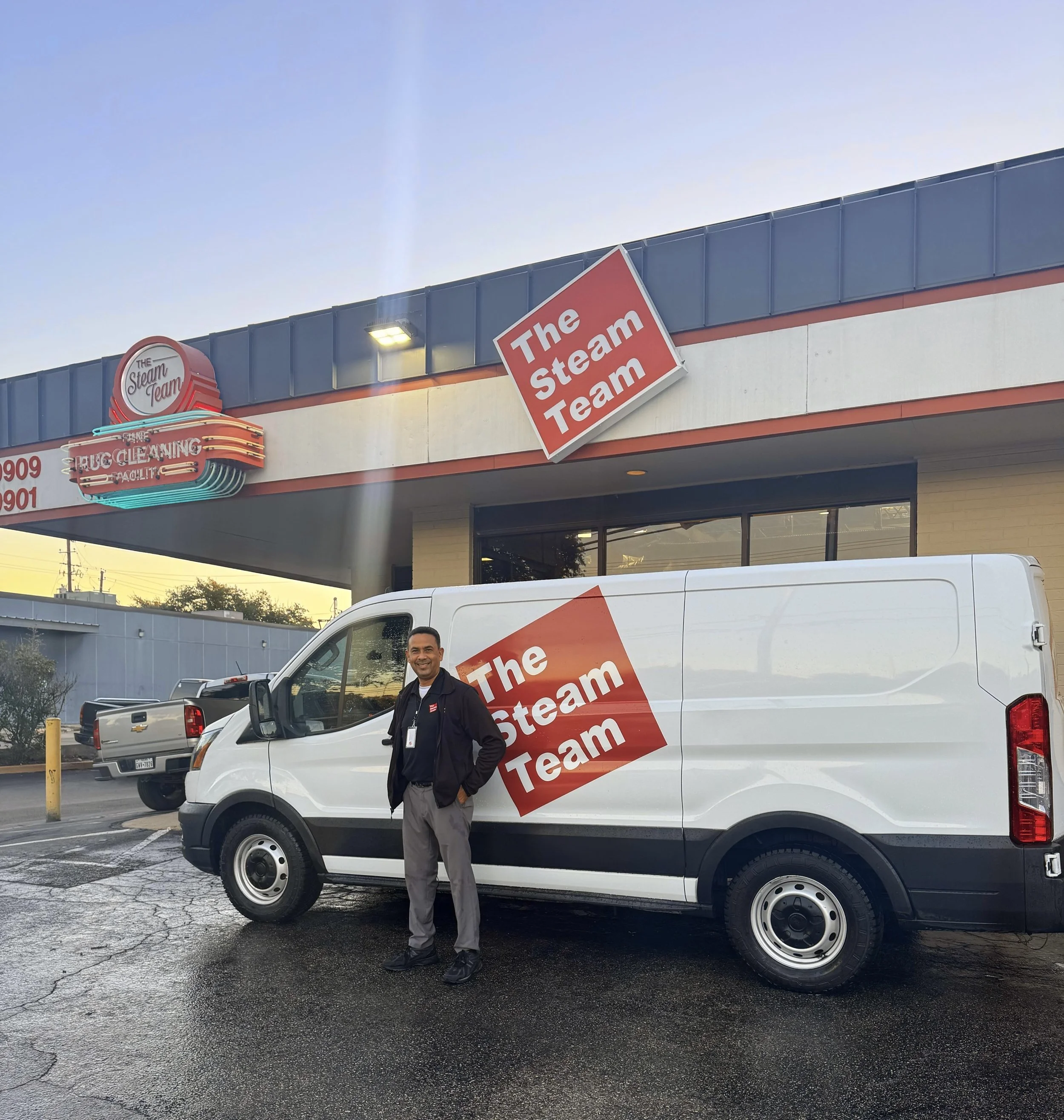
The Steam Team offers a local, certified approach to pet odor remediation that emphasizes documented inspection, certified technician training, and a customer satisfaction guarantee to address persistent issues when initial treatments need follow-up. Technicians leverage IICRC and NADCA-aligned practices, professional enzymatic protocols, and structured inspection reports to ensure the treatment matches the contamination profile, and the company stands behind remediation work with follow-up commitments if odors persist. Serving residential and commercial clients across Austin and surrounding Central Texas communities, The Steam Team also highlights responsiveness, especially for urgent cases, and aims to make remediation predictable through certification-driven methods and customer-focused guarantees. To request an inspection or discuss treatment options, homeowners can contact The Steam Team by phone at 512-451-8326 to schedule a consultation.
Prepare basic property details and the history of the odor problem before calling.
Ask about technician certifications and guaranteed follow-up procedures.
Request an inspection that includes blacklight detection and moisture mapping.
These final steps help homeowners choose a provider who follows evidence-based workflows and offers accountability for results.
Frequently Asked Questions
What are the signs that pet odors are deeply embedded in my home?
Signs of deeply embedded pet odors include persistent smells that return after cleaning, visible stains, and multiple accidents in the same area. If you notice a strong odor even after cleaning efforts, it may indicate that uric acid crystals or organic residues remain in the materials. Using a blacklight can help detect hidden urine deposits that are not visible to the naked eye, further confirming the need for professional intervention.
How can I choose the right professional pet odor removal service?
When selecting a professional pet odor removal service, consider their certifications, such as IICRC or NADCA, which indicate trained technicians. Look for companies that provide detailed inspection processes, including blacklight detection and moisture mapping. Additionally, inquire about their treatment methods, guarantees, and customer reviews to ensure they have a proven track record of effectively addressing pet odor issues.
Are there any DIY methods that can effectively remove pet odors?
While some DIY methods can help with minor odors, they often fall short for deep-set issues. Enzymatic cleaners are the most effective DIY option, as they break down uric acid and organic residues. However, if the odor persists or if there are signs of deep penetration into carpets or subfloors, professional treatment is usually necessary. DIY methods may mask odors temporarily but often do not address the root cause.
How often should I schedule professional cleaning for pet odors?
The frequency of professional cleaning for pet odors depends on several factors, including the number of pets, their behavior, and the type of flooring or upholstery in your home. Generally, scheduling a professional cleaning every 6 to 12 months is advisable for homes with pets. However, if you notice persistent odors or frequent accidents, more frequent treatments may be necessary to maintain a fresh environment.
What should I do if my pet has repeated accidents in the same area?
If your pet has repeated accidents in the same area, it’s essential to address both the odor and the behavioral aspect. Clean the area thoroughly with an enzymatic cleaner to eliminate the scent that may encourage repeat behavior. Additionally, consider consulting a veterinarian or a pet behaviorist to understand any underlying issues that may be causing the accidents, such as stress or health problems.
Can pet odors affect indoor air quality?
Yes, pet odors can significantly impact indoor air quality. The organic compounds and bacteria associated with pet urine, dander, and feces can release volatile organic compounds (VOCs) into the air, leading to unpleasant smells and potential health issues. Regular cleaning, proper ventilation, and professional odor removal services can help improve indoor air quality and create a healthier living environment for both pets and humans.
What are the benefits of using enzymatic cleaners over traditional cleaning methods?
Enzymatic cleaners offer several advantages over traditional cleaning methods. They work by breaking down organic materials, such as uric acid and proteins, into smaller, non-odorous components, effectively eliminating the source of the smell. Unlike traditional cleaners that may only mask odors, enzymatic solutions provide a more thorough and lasting solution. Additionally, they are often safer for pets and the environment, making them a preferred choice for pet owners.
Conclusion
Effective pet odor removal is essential for maintaining a fresh and healthy home environment, especially in households with pets. By understanding the science behind odor persistence and utilizing professional enzymatic treatments, homeowners can achieve lasting results that go beyond mere masking. Taking proactive steps, such as regular cleaning and timely professional interventions, can significantly reduce the likelihood of recurring odors. To explore tailored solutions for your pet odor challenges, contact a certified professional today.