
Essential Tips for Effective Residential Water Damage Repair
/Protect & Restore Your Home
Water damage can stop a household in its tracks, threatening structure, contents, and indoor air quality within hours. This guide explains how water intrusion occurs in Austin homes, how evidence-based restoration works, and what homeowners should do immediately to reduce loss and prevent mold. You will learn to recognize contamination categories, follow a practical restoration workflow, document losses for insurance, and apply prevention strategies that fit Central Texas homes. The article covers common causes and signs, a step-by-step restoration process, emergency decision triggers, an insurance documentation checklist, seasonal prevention tasks, and how to evaluate local providers. Throughout, we reference professional practices such as moisture mapping, structural drying, and contents restoration, so you know when to act and when to call for qualified help. This resource uses targeted guidance for Austin homeowners and mentions local vendor support only where it helps readers request rapid service or claims assistance.
What Are the Common Causes and Signs of Water Damage in Austin Homes?
Water damage in Austin most often results from predictable domestic failures and seasonal storm events, and it harms wood, drywall, and insulation quickly. The mechanism is simple: water contacts porous materials and increases moisture content above safe equilibrium, which promotes biological growth and structural weakening. Recognizing early signs short-circuits escalation and protects health and property value. Below, we outline common causes, visible signs, and immediate homeowner actions that limit damage and help with later documentation.
The following table maps common causes to observable signs and recommended immediate homeowner actions. Use this to triage a moisture event and choose whether emergency mitigation is required.
Cause
How it Occurs
Signs to Watch For & Immediate Action
Burst or leaking pipe
Mechanical failure or freezing stress on plumbing
Wet carpet, pooling water, loss of water pressure. Action: shut main water valve, document with photos, move possessions to a dry area.
Appliance failure (washer, water heater, dishwasher)
Hose or fitting rupture; internal valve failure
Puddles near the appliance, warped baseboards, damp flooring. Action: turn off appliance power, turn off the water supply, and photograph the leak source.
Roof/attic leak
Storm-driven water through shingles or flashing failure
Ceiling stains, peeling paint, attic dampness. Action: contain drips, place buckets, and photograph the ceiling and attic.
Storm/flash flood
Overland flow into low openings or foundation cracks
Standing water, muddy residues, strong musty odor. Action: Avoid contact with standing water, document the scene from a safe area.
Sewage backup
Blockage in the sewer lateral or municipal overflow
Black water, foul sewage odor, visible solids. Action: evacuate contaminated area, avoid contact, document, and call professionals.
This table clarifies cause, mechanism, and first steps so homeowners can act deliberately. Understanding these signals leads naturally to the restoration steps professionals use for assessment, extraction, and drying.
Which Types of Water Damage Should Homeowners Know About?
Water incidents are classified by contamination level and source because cleanup protocols and health risk vary by category. Category 1 is clean water from a supply line; Category 2 (gray water) carries chemical or biological contaminants from appliances; Category 3 (black water) includes sewage or floodwater and is hazardous. The classification directs remediation urgency and personal protective measures.
Category 1 (Clean Water): Supply line leaks or rain intrusion with low contamination risk; can often be mitigated when addressed within 24–48 hours.
Category 2 (Gray Water): Appliance discharge or toilet overflow with some contaminants; requires more thorough cleaning and may need professional treatment.
Category 3 (Black Water): Sewage, floodwater, or standing contaminated water; requires full containment, disinfection, and contents handling by specialists.
Knowing these categories helps homeowners choose safe mitigation and informs insurance and contractor decisions. Recognizing the contamination level also prepares you for the required protective equipment and documentation.
How Can You Identify Early Signs of Water Damage and Mold Growth?
Early detection hinges on observable and measurable changes in the home environment that signal moisture intrusion and microbial risk. Look for discoloration, bulging drywall, peeling paint, musty odors, warped flooring, and elevated indoor humidity readings; these are red flags indicating active moisture. Simple DIY checks include visual inspection at seams, using a moisture meter if available, and observing HVAC drip pans and appliance connections.
If you spot staining or a musty odor, initiate immediate drying and documentation steps within 24–48 hours to reduce mold risk. Professional moisture mapping and thermal imaging are recommended when hidden cavities or structural elements are involved, because these tools locate trapped moisture that visual checks miss.
How Does the Water Damage Restoration Process Work for Austin Homeowners?
A structured restoration workflow shortens recovery time and reduces secondary damage by following assessment, emergency extraction, structural drying, decontamination, and repair. The process uses specialized tools moisture meters, thermal imaging cameras, air movers, and dehumidifiers, to measure, remove, and control moisture. Each step has distinct expected outcomes and timeframes that set homeowner expectations and aid insurance documentation.
The table below summarizes core restoration steps, typical tools or methods used, and expected timeframe/outcome to help homeowners understand what professionals will perform.
Restoration Phase
Typical Tools / Methods
Typical Time/Outcome
Assessment & documentation
Moisture meters, thermal imaging, and inventory lists
1–3 hours initial; scope defined for remediation and claims
Emergency water removal (extraction)
Truck-mounted pumps, wet vacs, submersible pumps
Hours to a day for standing water; rapid removal reduces secondary damage
Structural drying & dehumidification
Air movers, low-grain refrigerant dehumidifiers, and moisture monitoring
2–7 days, depending on materials; target moisture levels restored
Cleaning & disinfection
Antimicrobial cleaners, HEPA filtration for air
1–3 days for surface cleaning and deodorization
Repair & reconstruction
Carpentry, drywall replacement, finish work
Days to weeks, depending on scope; restores pre-loss condition
This comparison shows when a homeowner should expect each milestone and what equipment drives the result. Knowing the steps makes it easier to document progress for insurance and to coordinate vendor actions.
What Are the Key Steps: Assessment, Emergency Water Removal, and Structural Drying?
Assessment identifies wet materials and maps moisture so interventions target the right areas. Technicians use moisture meters and thermal imaging to define the scope and create a drying plan with measurable moisture targets. After assessment, emergency water removal focuses on extracting standing water quickly to prevent staining and microbial growth using pumps and wet vacuums.
Structural drying follows extraction and relies on controlled airflow and dehumidification to return wood and wall cavities to safe moisture content. Professionals monitor moisture daily and adjust equipment to reach manufacturer-recommended targets, which validates successful drying and supports insurance claims. These measurement-driven steps reduce the chance of hidden moisture and future mold.
How Is Mold Remediation and Contents Restoration Handled After Water Damage?
Mold mitigation addresses contaminated materials and prevents regrowth by controlling moisture and applying containment and removal practices aligned with industry standards. Remediation starts with source control and drying, followed by selective removal of irreparably damaged porous materials. Contents restoration often involves pack-out, specialized cleaning, and storage to salvage personal property where possible. Contents restoration includes inventory creation, off-site cleaning using validated methods, and reassembly at the home. Decisions about repair versus replacement rely on contamination category, material porosity, and cost-benefit considerations. IICRC-guided approaches and professional mold mitigation reduce health risks and support clear documentation for claims. After explaining the restoration workflow, homeowners often want local help fast; the next section covers when to call emergency services and what to expect when a crew arrives for mitigation.
When and How Should You Contact Emergency Water Removal and Flood Cleanup Services in Austin?
Call emergency water removal when standing water, sewage, or structural compromise is present because immediate action limits damage and health risk. Professionals triage based on contamination level and structural risk, and use extraction and drying equipment to stabilize conditions for repairs. Quick documentation at first contact helps preserve claim eligibility and speeds coordination with adjusters.
Standing water inside living spaces: Evacuate wet areas and call emergency removal to prevent structural and mold damage.
Sewage or black water intrusion: Avoid contact and call professionals with hazardous cleanup protocols.
Active roof, ceiling, or structural leaks: Containment and drying by pros reduces collapse risk.
These triggers prioritize safety and loss reduction and lead to expected arrival and response details, which prepare homeowners for what crews will do first.
How Quickly Can Water Damage Companies Respond in Austin?
Response windows vary with event severity, vendor resources, and local demand, but 24/7 availability is common among emergency providers. Typical response promises range from one to four hours for urgent, life-safety events and from several hours to a day for less critical mitigation. Weather and storm surges can extend response times, and providers may prioritize high-risk situations first.
Homeowners can speed response by documenting damage clearly, turning off utilities if safe, and providing accessible entry points. Rapid on-site assessment shortens the timeline to extraction and drying, which directly reduces restoration cost and the risk of mold growth.
What Makes Professional Emergency Water Removal Essential for Flood Cleanup?
Professional teams bring equipment, training, and containment protocols that DIY cleanup cannot match, and these factors influence both health outcomes and insurance acceptance. Pros remove water quickly, control contamination, and document actions with equipment readings that insurers rely on. They also use air filtration and controlled drying strategies that reduce mold risk and prevent structural weakening.
Safety: Professionals mitigate electrical and contamination hazards that homeowners might miss.
Thoroughness: Specialized equipment reaches hidden cavities and wall assemblies to prevent trapped moisture.
Documentation: Measured drying logs and inventories support claims and reconstruction planning.
These advantages explain why professional intervention is often the fastest route to full property recovery and claim resolution.
How Can Austin Homeowners Navigate Water Damage Insurance Claims Effectively?
A focused documentation workflow improves claim outcomes because insurers evaluate evidence of prompt mitigation and scope of loss. Start by photographing the scene, creating an inventory of damaged items, and saving receipts for emergency mitigation expenses. Communication with your adjuster should be timely and factual, with mitigation reports from contractors appended to your claim file.
The following table lists documentation types, why each matters, and who typically provides the item. Use this as a checklist to gather paperwork that supports coverage and speeds settlement.
Documentation Type
Why it Matters
Action: Sample Language & Who Provides It
Photographs & videos
Show the extent and source of damage
"Photos taken on [date] show water entry at [location]." - Homeowner
Contractor mitigation report
Demonstrates prompt professional action
"Emergency extraction and drying begun on [date]; equipment logs attached." - Restoration contractor
Inventory of damaged contents
Quantifies personal property loss
"List with descriptions, purchase dates, and estimated values." - Homeowner
Receipts for emergency services
Validates mitigation expenses
"Invoice for extraction and drying services." - Restoration contractor/homeowner
Adjuster communications
Records insurer decisions and scope notes
"Adjuster noted visible ceiling damage and approved temporary repairs." - Insurer/adjuster
This table clarifies which documents matter and who supplies each piece of evidence. Presenting this organized package reduces disputes and helps adjusters process claims faster.
Insurance Claims Data for Flood Damage Assessment
Surface water floods in Switzerland: what insurance claim records tell us about the damage in space and time
Surface water floods in Switzerland: what insurance claim records tell us about the damage in space and time, V Prasuhn, 2017
What Documentation and Steps Are Needed for Texas Water Damage Claims?
Begin by documenting the scene comprehensively and by completing mitigation to limit damages while preserving evidence. Provide dated photos, a detailed contents inventory, contractor mitigation reports, and receipts for emergency work. Notify your insurer promptly and keep records of all communications.
Photograph all affected areas and contents immediately and from multiple angles.
Retain receipts for any temporary repairs or emergency mitigation to prevent further loss.
Request a written mitigation report from the restoration provider showing equipment and moisture readings.
These actions produce the factual record adjusters need and show that you took reasonable steps to reduce loss. A qualified restoration vendor can assist by supplying mitigation reports and measured drying logs that insurers accept.
Does Homeowners Insurance Typically Cover Water Damage Restoration Costs?
Policy coverage depends on the loss source and specific endorsements in the homeowner’s policy; sudden pipe bursts are commonly covered, while flooding from surface water typically requires a separate flood policy. Deductibles, limits, and exclusions influence net recovery, and categories of water contamination affect what insurers will pay for cleanup versus replacement. If coverage is unclear, provide organized documentation, mitigation reports, and itemized inventories to the adjuster to clarify what is payable. When disputes arise, additional documentation or an independent evaluation can help resolve coverage questions.
Because insurance interaction can be complex, some homeowners choose a restoration partner who helps coordinate documentation and adjuster communications. The next section explains when and how a qualified vendor can support those tasks and gives a brief example of local vendor assistance.
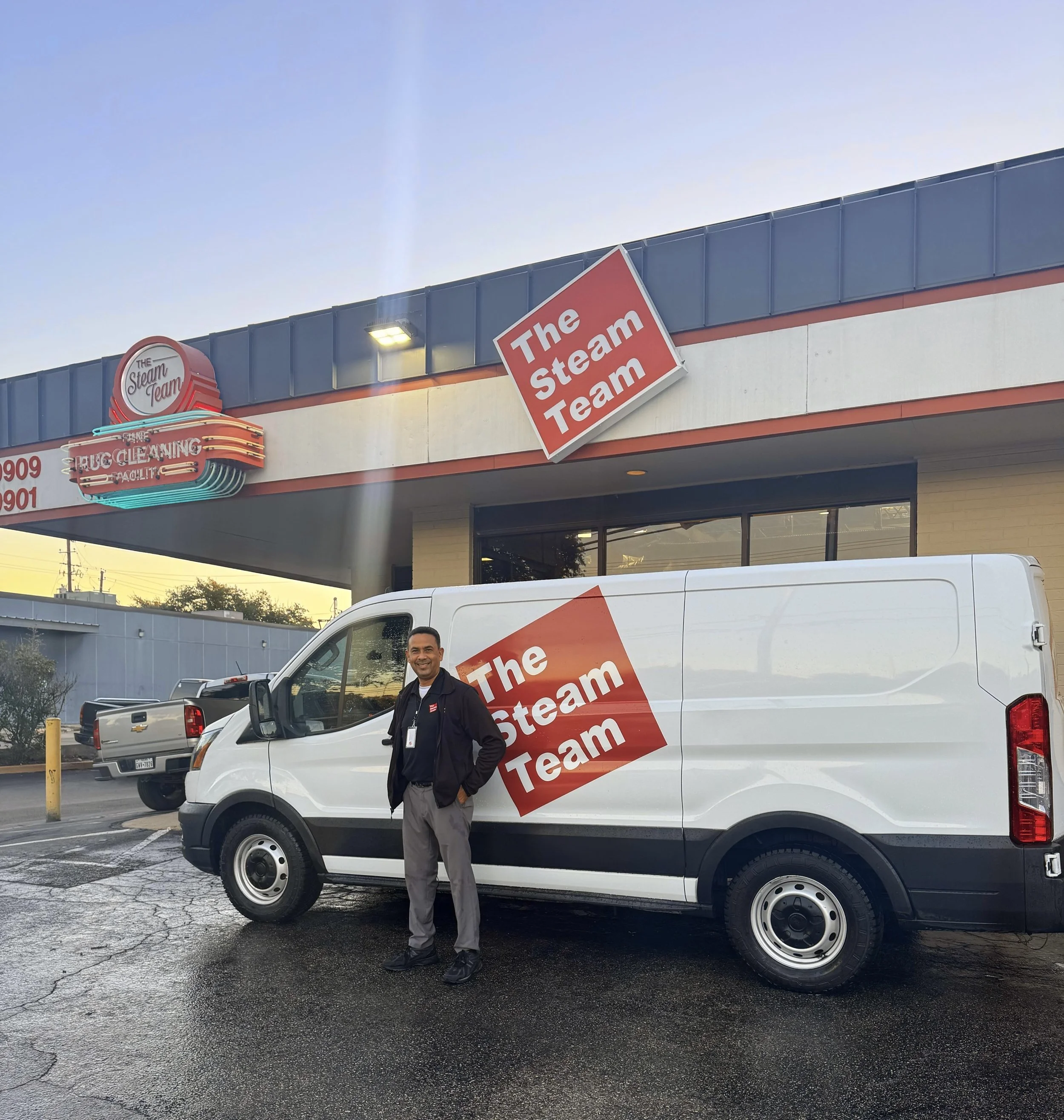
During claims handling, vendors that provide documented mitigation reports, measured drying logs, and contents inventories can improve clarity and speed. For example, a local provider may perform emergency water removal, document equipment hours and moisture readings, and deliver a pack-out inventory to support your claim. The Steam Team is one local restoration firm that offers emergency water removal, structural drying, and contents restoration, and can supply mitigation documentation to assist with adjuster coordination. Homeowners seeking immediate help can call to request a quote or schedule a rapid response.
What Are the Best Prevention Tips to Avoid Water Damage and Mold in Austin Homes?
Preventing water damage combines seasonal maintenance, smart device installation, and attention to drainage and humidity control. Routine roof inspections, gutter cleaning, grading away from foundations, and appliance hose replacement are high-impact actions. Smart devices like leak sensors and automatic shut-off valves detect or stop leaks early and reduce loss magnitude.
Quarterly checks of hoses, visible plumbing joints, and appliance connections.
Seasonal tasks such as gutter clearing and roof inspections before storm season.
Install water sensors near water heaters, under sinks, and near washing machines.
These steps lower risk and provide early warnings that reduce both restoration scope and insurance losses, and they set a proactive tone for household maintenance.
How Can Regular Maintenance and Smart Home Devices Help Prevent Water Damage?
A regular maintenance schedule couples visual inspection with targeted upgrades to reduce failure points and shorten detection time when leaks occur. Quarterly checks of hoses and seals, plus annual roof and attic inspections, identify vulnerabilities before they fail. Smart sensors and automatic shut-off systems detect leaks and can stop water flow before damage spreads, which reduces drying needs and replacement expenses.
Inspect appliance hoses and HVAC drain lines quarterly.
Test water sensors regularly and replace batteries as needed.
Consider automatic shut-off valves where feasible for high-risk areas.
Combining routine maintenance with sensor technology improves resilience and reduces the chance that a small leak becomes a major claim.
What Are Effective Mold Prevention Techniques After Water Exposure?
Mold prevention centers on removing moisture within the 24–48 hour window and maintaining low indoor humidity thereafter. Immediate extraction and structural drying are essential, followed by surface cleaning with appropriate antimicrobial products for non-porous materials. Porous materials saturated with contaminated water often need replacement to eliminate mold risk. Set drying targets and verify them with moisture measurements; aim for the manufacturer or industry-recommended equilibrium moisture content for wood and drywall. Timely action prevents mold colonization and reduces the need for costly remediation.
Why Choose The Steam Team for Water Damage Restoration in Austin, TX?
Selecting a restoration provider with documented credentials, local knowledge, and emergency responsiveness helps homeowners recover faster and with clearer claims outcomes. The Steam Team brings local service capabilities for emergency water removal, structural drying, contents restoration, and related recovery services. Customers benefit from measured drying logs, inventories, and mitigation reports that support insurer review and reconstruction planning.
IICRC-certified technicians ensure restoration follows recognized standards.
A+ rating with the Better Business Bureau signals strong customer service processes.
Local awards and recognitions demonstrate community-level experience and trust.
These credentials indicate that the provider follows best practices and focuses on measurable outcomes such as verified moisture reduction and contents recovery. For homeowners seeking prompt assistance, The Steam Team offers 24/7 emergency response and can be contacted to request a quote or schedule an appointment by phone.
What Certifications, Awards, and Experience Set The Steam Team Apart?
The Steam Team’s verified trust signals include IICRC-certified technicians and an A+ rating with the Better Business Bureau, which reflect adherence to industry standards and customer care processes. In addition, local recognitions indicate sustained community presence and project experience in Central Texas. These credentials translate into standardized protocols for assessment, drying verification, and contents restoration that benefit homeowners and insurers alike.
Having certified technicians means documented procedures and measurable targets are part of every mitigation, which reduces disputes during claims and improves restoration outcomes. That operational consistency helps homeowners recover more quickly and with clearer evidence of work performed.
How Does The Steam Team’s 24/7 Service and Local Expertise Benefit Homeowners?
Rapid, local response reduces the period when moisture can cause secondary damage, and crews familiar with Austin building types and local weather patterns can prioritize interventions that matter most. The Steam Team’s emergency availability supports immediate extraction and drying, while local knowledge helps with practical containment and contents handling. When time is critical, a nearby team that provides measured drying logs and inventory lists helps homeowners and adjusters move from mitigation to reconstruction.
Homeowners needing emergency restoration can request a quote or schedule a rapid response by phone to begin mitigation and documentation promptly.
Frequently Asked Questions
What should I do immediately after discovering water damage in my home?
Upon discovering water damage, your first step should be to ensure safety by turning off the main water supply and electricity if necessary. Next, document the damage with photographs and notes for insurance purposes. Move any valuable items to a dry area to prevent further loss. If the damage is significant, contact a professional water damage restoration service immediately to assess the situation and begin mitigation efforts. Quick action can significantly reduce the extent of the damage and associated costs.
How can I prevent mold growth after water damage?
To prevent mold growth after water damage, it is crucial to act quickly. Aim to dry out affected areas within 24 to 48 hours. Use dehumidifiers and fans to enhance airflow and reduce moisture levels. Clean and disinfect surfaces with appropriate antimicrobial solutions, especially in wet areas. If porous materials like carpets or drywall are saturated, consider replacing them to eliminate mold risk. Regularly monitor humidity levels in your home to maintain a dry environment.
What are the long-term effects of untreated water damage?
Untreated water damage can lead to severe long-term consequences, including structural damage to your home, compromised indoor air quality, and significant mold growth. Over time, moisture can weaken wooden structures, leading to costly repairs. Additionally, mold can pose health risks, causing respiratory issues and allergic reactions. The longer water damage remains unaddressed, the more extensive and expensive the repairs will be, making prompt action essential for preserving your home’s integrity and safety.
How do I choose the right water damage restoration company?
When selecting a water damage restoration company, consider their certifications, experience, and customer reviews. Look for companies that are IICRC-certified, as this indicates adherence to industry standards. Check their response time and availability, especially for emergency services. Ask for references and read online reviews to gauge customer satisfaction. Additionally, ensure they provide a clear outline of their restoration process and documentation practices, which are crucial for insurance claims.
Are there any specific insurance considerations for water damage in Austin?
In Austin, homeowners should be aware that standard homeowners' insurance may not cover all types of water damage. For instance, sudden pipe bursts are typically covered, while flooding from surface water may require a separate flood insurance policy. Review your policy carefully to understand coverage limits, deductibles, and exclusions. Document all damage thoroughly and communicate promptly with your insurance adjuster to ensure a smooth claims process. Consulting with a restoration professional can also help clarify coverage details.
What are the signs that I need professional help for water damage?
Signs that you need professional help for water damage include persistent dampness, visible mold growth, musty odors, and structural issues like sagging ceilings or walls. If you notice water pooling in your home or if the damage is extensive, such as from a flood or sewage backup, it’s crucial to call professionals immediately. Additionally, if you are unsure about the extent of the damage or how to proceed, seeking expert assistance can prevent further complications and ensure proper restoration.
How can I effectively document water damage for insurance claims?
To effectively document water damage for insurance claims, start by taking clear photographs and videos of the affected areas from multiple angles. Create a detailed inventory of damaged items, including descriptions, purchase dates, and estimated values. Keep receipts for any emergency repairs or mitigation services. Additionally, obtain a written report from your restoration contractor detailing the damage and the steps taken for mitigation. This organized documentation will support your claim and help expedite the settlement process.
Conclusion
Understanding the intricacies of water damage restoration empowers Austin homeowners to protect their properties effectively and minimize losses. By recognizing common causes, implementing preventive measures, and knowing when to seek professional help, you can safeguard your home from future incidents. For tailored support and rapid response, consider reaching out to local restoration experts who can guide you through the process. Explore our resources to learn more about effective water damage solutions today.
